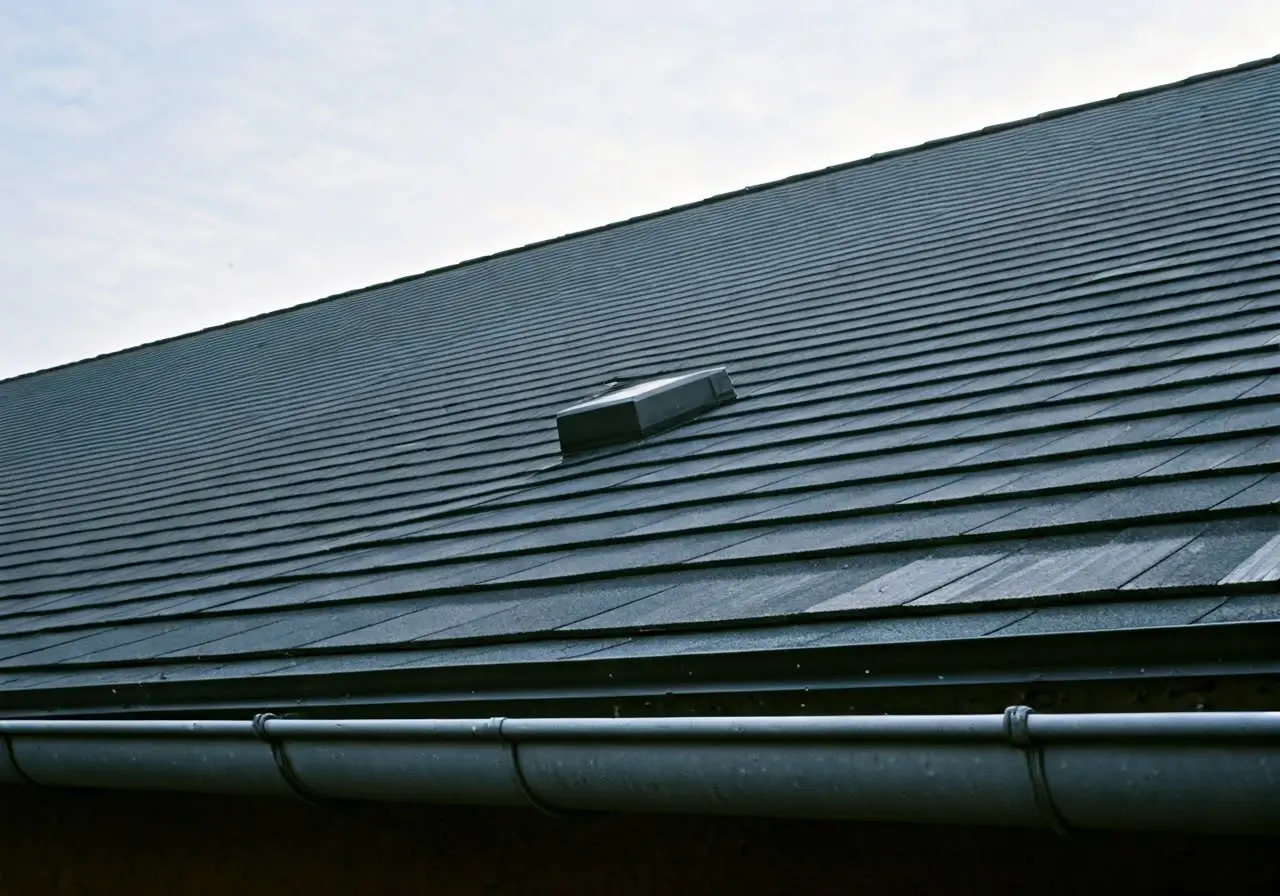
Roof pitch plays an essential role in the overall effectiveness of your roofing system. It’s the angle or slope of your roof, and it influences crucial factors like drainage and the types of materials that are best suited for your home. Whether you are a homeowner in Tulsa dealing with an aging roof or a homebuyer interested in roof inspections, understanding roof pitch can help you make informed decisions.
A roof’s pitch can determine how well water flows off your roof, which is vital in preventing leaks and other water-related damage. Steeper pitches allow for quicker drainage, while flatter pitches may require more attention to avoid pooling water. Knowing your roof pitch helps in selecting the right materials, as some roofing options are better suited for specific slopes. The right choices can enhance the durability, aesthetics, and performance of your roof.
As roofing systems can be complex, any issues stemming from an improper pitch can have a ripple effect on the rest of your home. Identifying and addressing these problems early can save homeowners significant time and expense. Understanding roof pitch isn’t just about aesthetics; it’s about protecting your home from the elements and ensuring long-term stability. Keep reading to learn more about how roof pitch affects drainage and material choice and how to address common roof pitch problems.
What Is Roof Pitch and How Is It Measured?
Roof pitch refers to the steepness or angle of your roof. It’s calculated by the number of inches your roof rises vertically for every 12 inches it extends horizontally. This is usually represented as a ratio, such as 4:12 or 8:12. For instance, a 4:12 pitch means the roof rises 4 inches for every 12 inches of horizontal distance.
To measure your roof pitch, you’ll need a tape measure and a level. Start by placing the level horizontally on your roof. Measure 12 inches from one end of the level and mark that spot. Then, measure the vertical distance from the roof surface up to the level at the 12-inch mark. This vertical measurement is your rise, and when placed in the ratio format (rise over run), it gives you the pitch of your roof.
Understanding your roof’s pitch is crucial. Different pitches are ideal for different climates and weather conditions, affecting your choice of materials and the roof’s ability to shed water efficiently. Knowing your roof pitch helps you choose the right repairs and materials to ensure your roofing system functions optimally.
Impact of Roof Pitch on Drainage
Roof pitch significantly affects water drainage. A steeper pitch makes it easier for water to run off, preventing pooling and minimizing the risk of leaks. This is especially important in areas with heavy rainfall or snowfall. In Tulsa, where storms and heavy rain are common, having a well-pitched roof is vital for effective water drainage.
Flat or low-pitched roofs face more challenges with water drainage. They tend to collect water, which can lead to leaks and structural damage over time. Special materials and techniques are required to waterproof flat roofs, ensuring water doesn’t seep into your home.
Steeply pitched roofs also handle snow more effectively. The incline helps snow slide off, reducing the weight on the roof and preventing ice dams. Ice dams occur when snow melts and refreezes at the roof’s edge, causing water to back up and leak under the shingles.
Proper drainage is crucial to your roof’s lifespan and your home’s protection. Understanding how your roof pitch affects drainage can help you take preventative measures and choose the right roofing system for your needs.
Choosing the Right Roofing Materials Based on Roof Pitch
The pitch of your roof greatly influences the type of materials that will work best. Different roofing materials perform better on different slopes, ensuring durability and effective water drainage.
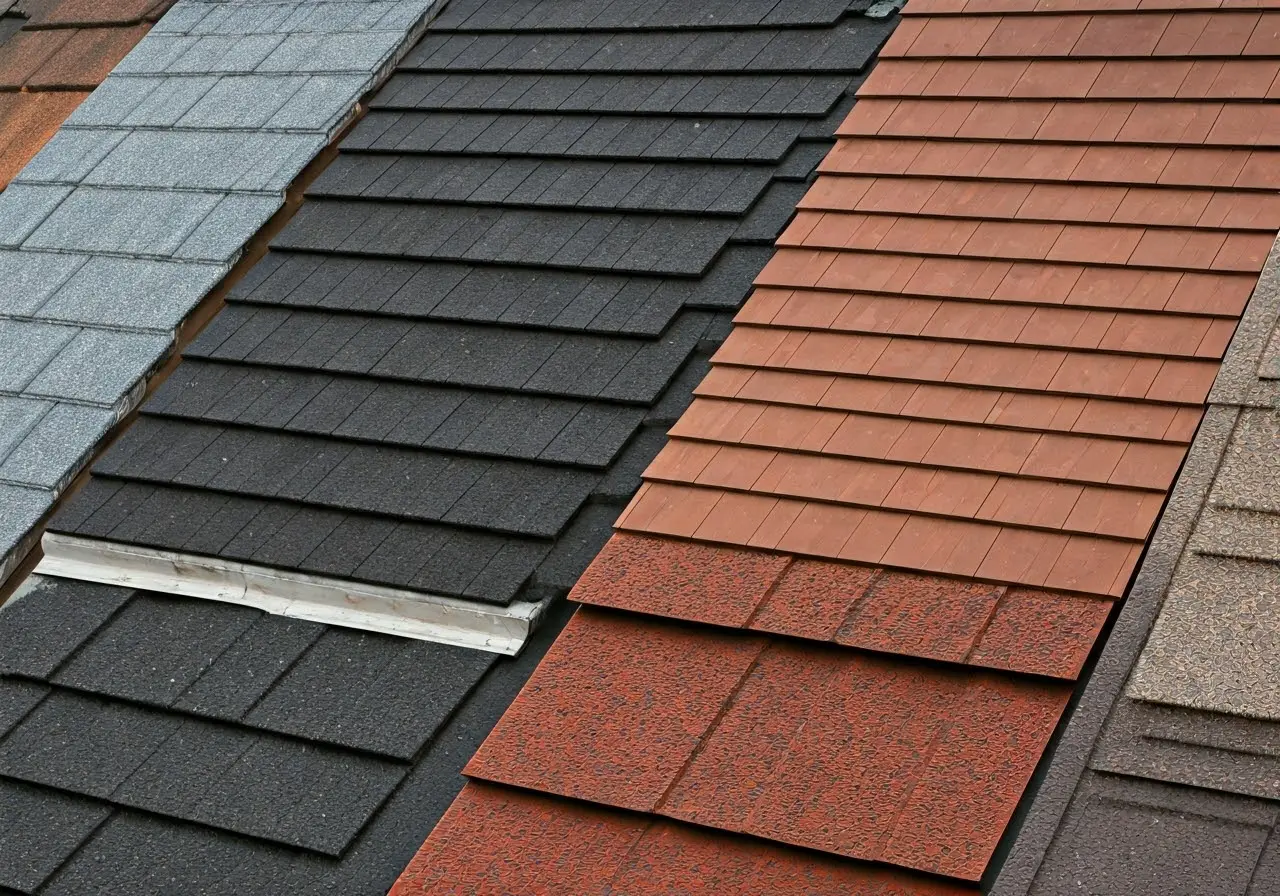
For steep roofs, asphalt shingles, metal roofing, and slate tiles are excellent choices. Asphalt shingles are versatile and work well on pitches greater than 4:12. Metal roofing is lightweight and sheds water and snow efficiently, making it perfect for steep pitches. Slate tiles, though more expensive, provide a durable and visually appealing option for higher slopes.
For low-pitched or flat roofs, materials like rolled roofing, rubber membranes, and modified bitumen are more suitable. Rolled roofing is an affordable option ideal for pitches as low as 2:12. Rubber membranes are flexible and waterproof, making them a reliable choice for flat roofs. Modified bitumen offers added durability and is easy to install, providing excellent protection for gentle slopes.
Choosing the wrong materials can lead to poor performance, increased maintenance, and potential water damage. Understanding the compatibility of materials with your roof pitch ensures you make the best decision for your home’s longevity and safety.
Common Roof Pitch Problems and How to Address Them
Different roof pitches can face unique problems that homeowners need to address promptly to avoid serious damage. Here are some common issues based on roof pitch and how to tackle them:
1. Low-Pitched Roofs:
- Water Pooling: This occurs when the slope is insufficient to drain water effectively. To address this, ensure proper waterproofing with rubber membranes and install roof drains or scuppers to help with water runoff.
- Leaks: Due to the minimal slope, water can more easily seep through. Regular inspections and maintenance of the roofing material can prevent leaks. Recoat the roof as needed to maintain its waterproof capabilities.
2. Steep-Pitched Roofs:
- Wind Damage: Steep roofs are more susceptible to wind uplift, which can loosen shingles or other materials. Ensure that materials are properly secured during installation and inspect for any damage after strong winds.
- Ice Dams: In colder climates, steep roofs can develop ice dams, where melting snow refreezes at the eaves, causing water to back up under the shingles. To prevent this, ensure proper attic insulation and ventilation to keep the roof’s surface temperature even.
3. All Roof Pitches:
- Debris Build-Up: Regardless of pitch, roofs can accumulate leaves, branches, and other debris. Regular cleaning prevents blockages in gutters and downspouts, ensuring proper water drainage.
- Material Wear: Over time, all roofing materials can deteriorate. Regular inspections help identify early signs of wear and tear, allowing for timely repairs or replacements to maintain the roof’s integrity.
Identifying and addressing these common problems will keep your roof in good shape, protecting your home and extending the roof’s lifespan.
Taking Care of Your Roof
Knowing your roof pitch helps you make informed decisions on materials, drainage solutions, and maintenance practices. Whether you have a steep or low-pitched roof, proper care and material choice are essential for preventing damage and ensuring your roof lasts longer. Regular inspections and addressing issues promptly will keep your roof in top condition.
For homeowners dealing with roof issues, RTurley Roofing is here to help. With expert advice and professional service, we can address any roof pitch problems and find the best materials for your home. Contact our team of roofers in Tulsa today and ensure your roof is ready to protect your home for years to come!