When it comes to protecting your home, the roof is your first line of defense against the elements. Choosing the right roofing material is crucial not only for aesthetic appeal but also for durability, energy efficiency, and cost. In this comprehensive guide, we’ll explore the popular options for residential roofing materials, so you can make an informed decision for your home.

Understanding Asphalt Shingles
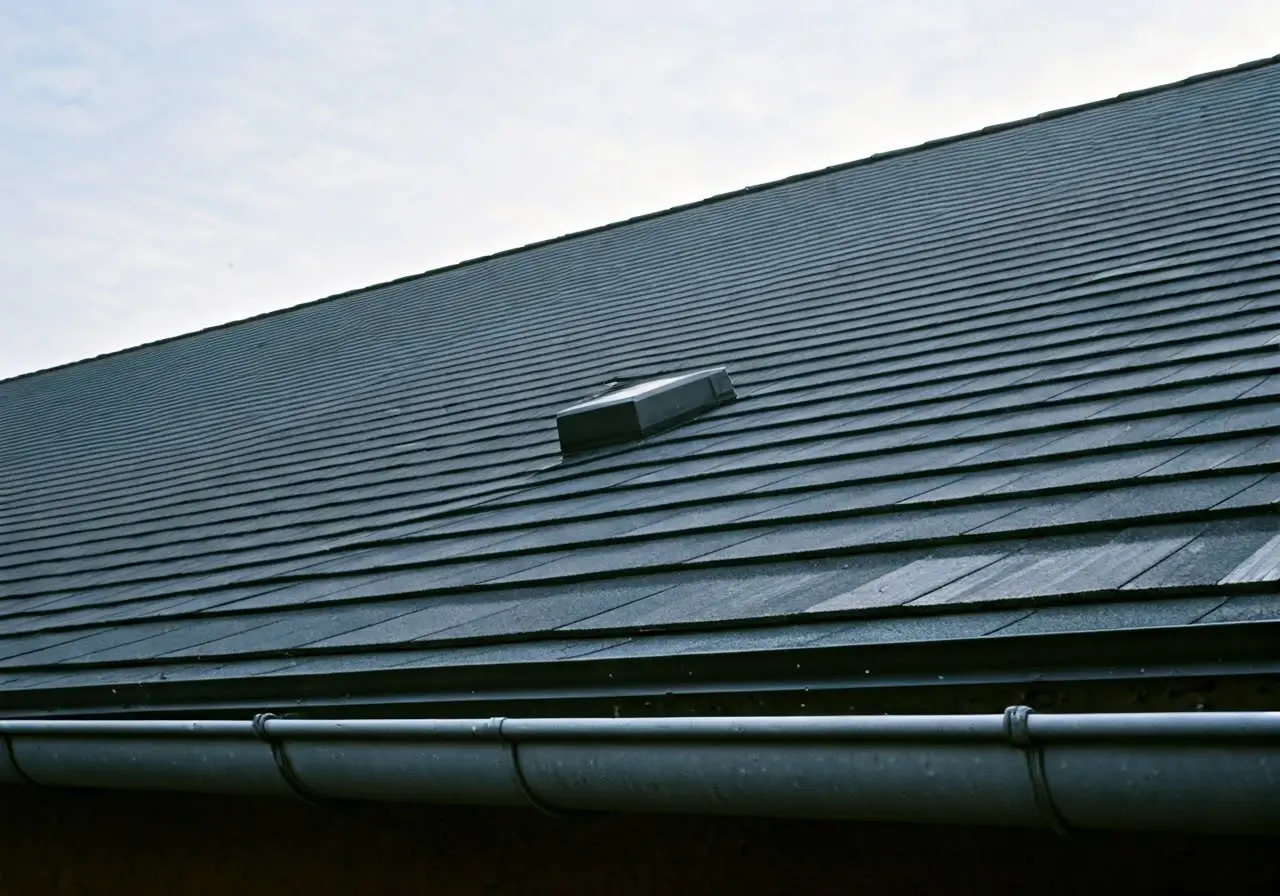
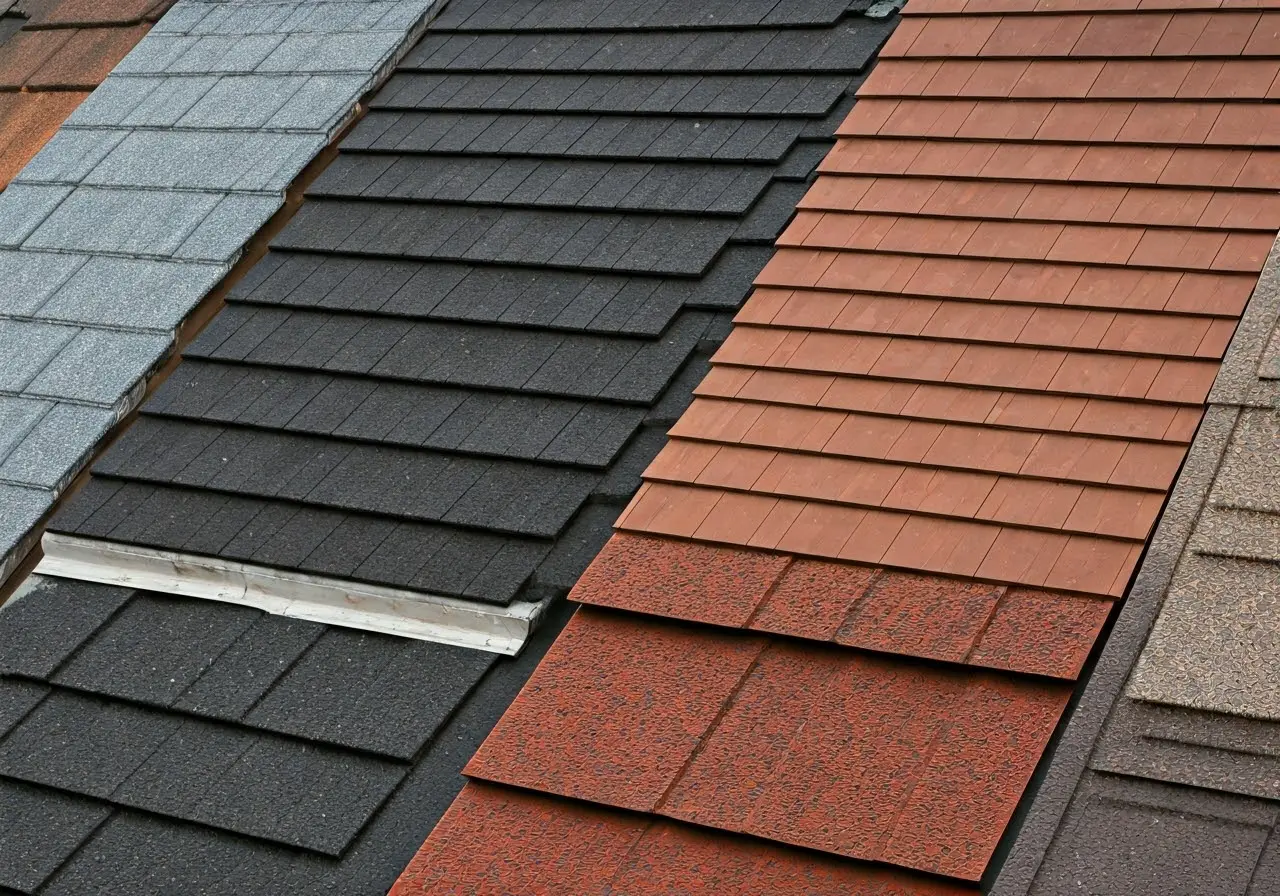
Asphalt shingles remain the most common residential roofing option in the United States due to their affordability and variety. They are notably manufactured by companies like GAF and CertainTeed, which have been at the forefront of creating shingles with advanced UV protection and weather resistance. Asphalt shingles come in three main types: three-tab, architectural, and dimensional, each offering different degrees of thickness, longevity, and visual appeal. While standard three-tab shingles might be more budget-friendly, architectural or dimensional shingles provide improved wind and impact resistance. They can last anywhere from 15 to 30 years, depending on the quality and the climate conditions they face.
Despite their popularity, asphalt shingles do have some drawbacks that homeowners should consider. They can be susceptible to high winds if not properly installed, and tend to lose granules over time, which could affect their protective qualities. Regular maintenance is essential, so be sure to conduct periodic inspections, especially after major storms. Cleaning gutters and ensuring proper ventilation can help extend their lifespan. In terms of aesthetics, asphalt shingles offer a broad range of colors and textures, allowing homeowners to find options that blend well with almost any home style.
Exploring Metal Roofing Options
Metal roofing is gaining popularity, offering unmatched durability and energy efficiency. This material reflects solar radiant heat, which can reduce cooling costs by up to 25%, making it an ideal choice for homeowners in hot climates. Metal roofs are manufactured from various metals, including aluminum, steel, and copper, each with its own benefits. Steel is known for its strength, while aluminum is rust-resistant, making it ideal for coastal areas. Copper roofs are prized for their aesthetic appeal and can last over a century.
One of the most notable advantages of metal roofs is their longevity and resistance to various weather conditions, including hail, heavy rain, and wind. Metal roofing panels interlock, providing a high degree of leak resistance and can withstand gusts up to 140 miles per hour. However, it’s essential to note that installation requires professional expertise. While metal roofs are generally more expensive upfront compared to other materials, their minimal maintenance needs and long service life can result in cost savings over time.
The Charm of Wood Shingles and Shakes
Wood shingles and shakes are often chosen for their natural, rustic charm that adds distinct elegance to homes. Made typically from cedar, redwood, or pine, wood shingles are sawn and tapered, while shakes are split and more textured. This difference gives wood shakes a more rugged appearance compared to shingles. Cedar is particularly popular due to its natural resistance to moisture and insects. It also offers natural insulation properties, aiding in energy efficiency.
Despite their aesthetic appeal, wood roofing materials demand more maintenance than other options. They are susceptible to mold, rot, and fire, necessitating treatments with fire retardants and routine inspections to maintain their condition. Local climate factors heavily into wood roof longevity, as excessive humidity can accelerate deterioration. For those keen on achieving the aesthetic appeal of wood without some of the drawbacks, composite materials that mimic wood are available. They offer better resistance to weather and fire, making them an option worth considering.
Tile Roofing: Elegance and Longevity
Tile roofing, available in clay or concrete, brings a touch of Mediterranean elegance to homes. Known for its long lifespan, tile roofing can last over 50 years with proper maintenance. Clay tiles are preferred for their rich colors and are often found in barrel shapes, while concrete tiles offer more versatility in appearance, resembling wood or slate. One of the key advantages of tile roofing is its resistance to fire and insect damage.
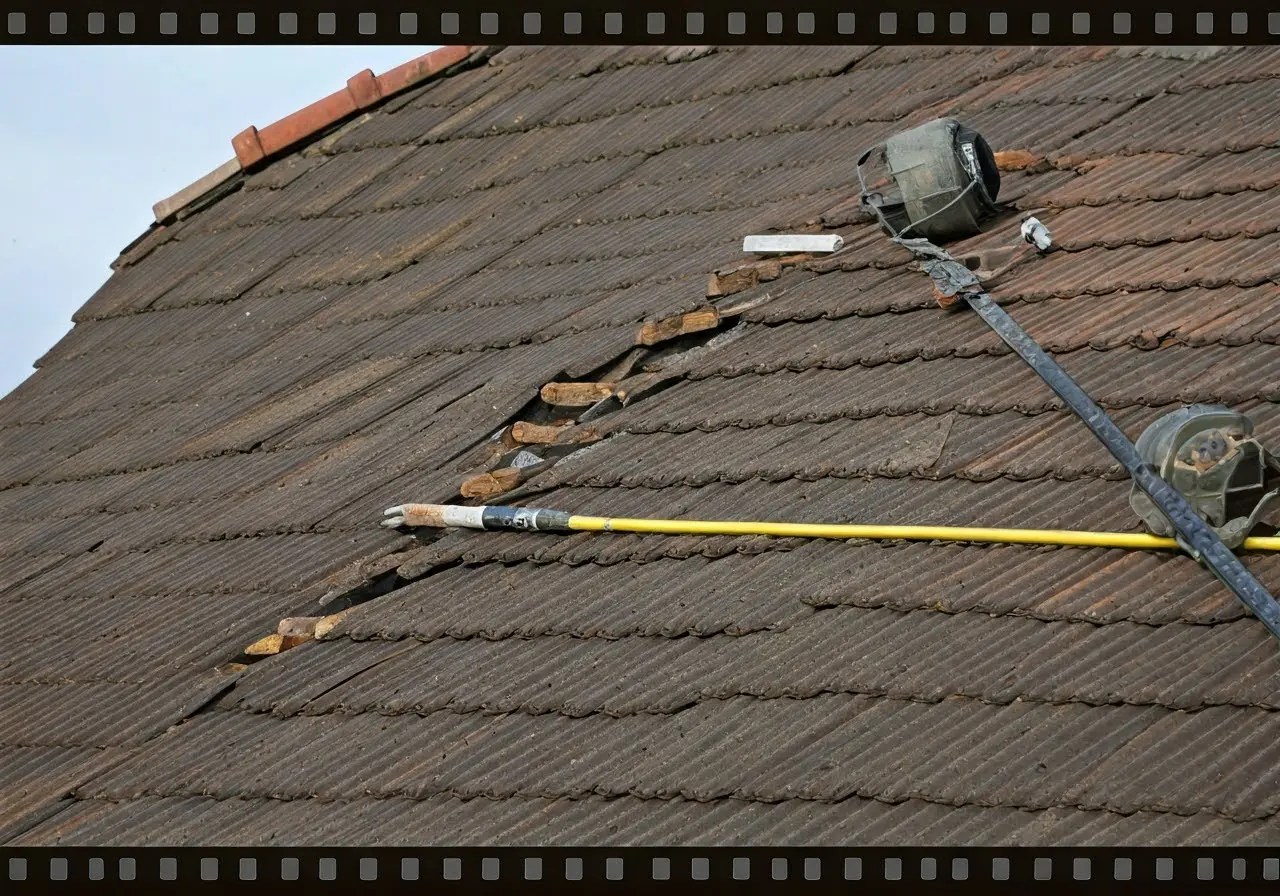
However, tile roofing is quite heavy, requiring a sturdy roof framework, which may necessitate structural assessment and reinforcement. Tiles are also exceptionally durable against harsh weather, but they can be prone to breakage if struck by heavy objects, requiring professional repair. Moreover, a well-maintained tile roof can positively impact a building’s energy efficiency, reflecting solar heat away from the home. While initial costs are higher, the reduced need for replacement over time makes tiles a sensible long-term investment for homeowners.
Understanding Slate Roofing
Slate is revered for its timeless beauty and remarkable durability. This natural stone roofing material has been used for centuries and is known to last well over 100 years, making it one of the most long-lasting roofing materials available. Its natural fire resistance and low water absorption rate enhance this longevity, making slate ideal for homes in areas susceptible to wildfires or frequent rainfall.
The primary considerations for homeowners interested in slate are its weight and cost. Slate is a heavy material, often requiring reinforcement of the home’s roof structure to support the additional weight. This can significantly increase installation costs, which are already high due to the specialized skills required for proper installation. Nonetheless, for those seeking a roofing solution that combines aesthetic appeal with unparalleled durability, slate remains an unmatched option. Considerations should include a review of the roof’s structural support and budget assessments for the high upfront costs.
Evaluating Synthetic Roofing Materials
Synthetic or composite roofing materials offer a versatile alternative, often designed to replicate the appearance of traditional roofing types like slate, wood, or tile. Manufactured from a blend of materials, including rubber, plastic, and polymers, these products provide impressive durability, often resisting wind and weather damage better than their natural counterparts. For instance, synthetic slate offers the timeless look of real stone minus the heavy weight, significantly simplifying installation and reducing costs.
One of the biggest advantages of synthetic roofing is its adaptability, providing homeowners with numerous color and style options that can complement diverse architectural designs. These materials are generally low-maintenance and can offer a lifespan ranging from 20 to 50 years, depending on quality and installation. However, it is important to carefully review the warranty and installation guidelines, as the performance of synthetic roofing can vary depending on manufacturer recommendations and environmental conditions. For those seeking cost-effective solutions with aesthetically pleasing results, synthetic roofing is certainly worth considering.
Wrapping Up: Your Roof, Your Choice
Selecting the right residential roofing material involves weighing factors like climate, budget, and personal preference. Whether you prioritize cost-effectiveness, durability, or aesthetic appeal, there’s a roofing material that fits your needs. With this guide, you’re now equipped with the knowledge to make a wise and informed decision to protect and enhance your home.