Inspecting your roof regularly is essential for maintaining the health and safety of your home. Whether you’re dealing with an aging roof or potential wind or hail damage, a thorough inspection can catch small issues before they turn into costly repairs. For homeowners in Tulsa, where storms are common, knowing how to perform a DIY roof inspection is particularly valuable.
A roof inspection doesn’t have to be complicated or require professional equipment. With the right tools and a clear plan, you can assess your roof’s condition and identify any problems that need attention. This guide will walk you through the essential steps to take, from checking the exterior to inspecting the inside of your home. By following these tips, you can ensure your roof remains in top shape and avoid unexpected problems.
Knowing what to look for during a roof inspection can save you time and money. It empowers you to take control of your home’s maintenance and provides peace of mind. With this DIY guide, you’ll learn how to spot common issues and understand when it’s time to call in a professional for further help.
Essential Tools for a DIY Roof Inspection
Before you start inspecting your roof, gather the right tools. Having the right equipment will make the process safer and more effective. Here’s a list of essential tools you’ll need:
1. Ladder: A sturdy, extendable ladder is crucial for reaching your roof safely. Make sure it is positioned on stable ground and securely anchored.
2. Binoculars: Useful for examining hard-to-reach areas from the ground without climbing onto the roof.
3. Flashlight: Essential for spotting issues in dark areas, especially during interior inspections.
4. Notebook and Pen: Handy for jotting down any problems you discover during your inspection.
5. Camera or Smartphone: Take photos of any areas that look problematic. This documentation can be useful if you need to consult with a professional.
6. Gloves: Protect your hands from rough surfaces and sharp objects.
7. Safety Gear: Wear a safety harness if you need to walk on a steep or high roof. Non-slip footwear is also a must.
With these tools, you’re ready to perform a thorough and safe roof inspection. Ensuring you have everything prepared makes the process smoother and helps you stay focused on spotting potential issues.
Step-by-Step Exterior Roof Inspection
Inspecting the exterior of your roof is the first step in identifying problems. Here’s a step-by-step guide to follow:
1. Check for Visible Damage:
- Look for missing, cracked, or curling shingles. Damaged shingles can lead to leaks and further deterioration.
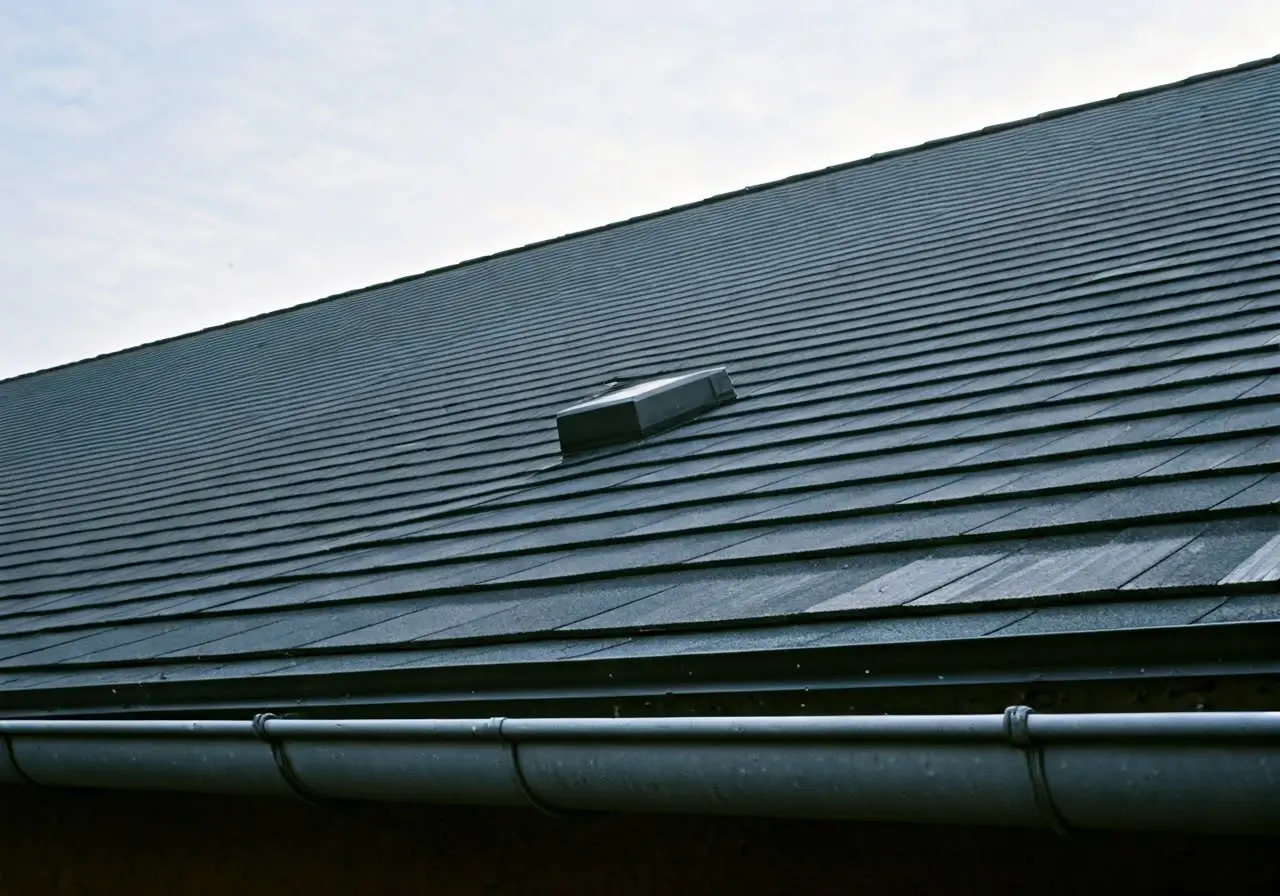
- Examine the flashing around chimneys, vents, and skylights. Look for rust, gaps, or signs of wear.
2. Inspect the Gutters and Downspouts:
- Clear any debris from gutters and downspouts. Blockages can cause water to back up and damage the roof.
- Check for sagging sections or leaks in the gutter system. Make sure water is being directed away from the house.
3. Look for Algae and Moss:
- Algae and moss can retain moisture, leading to roof damage. Use binoculars to spot any green or dark patches.
- If you find algae or moss, consider cleaning it off with a gentle solution or consult a professional for severe cases.
4. Examine the Roof’s Surface:
- Walk around your house and use binoculars to inspect the roof’s surface. Look for any dents, warping, or other irregularities.
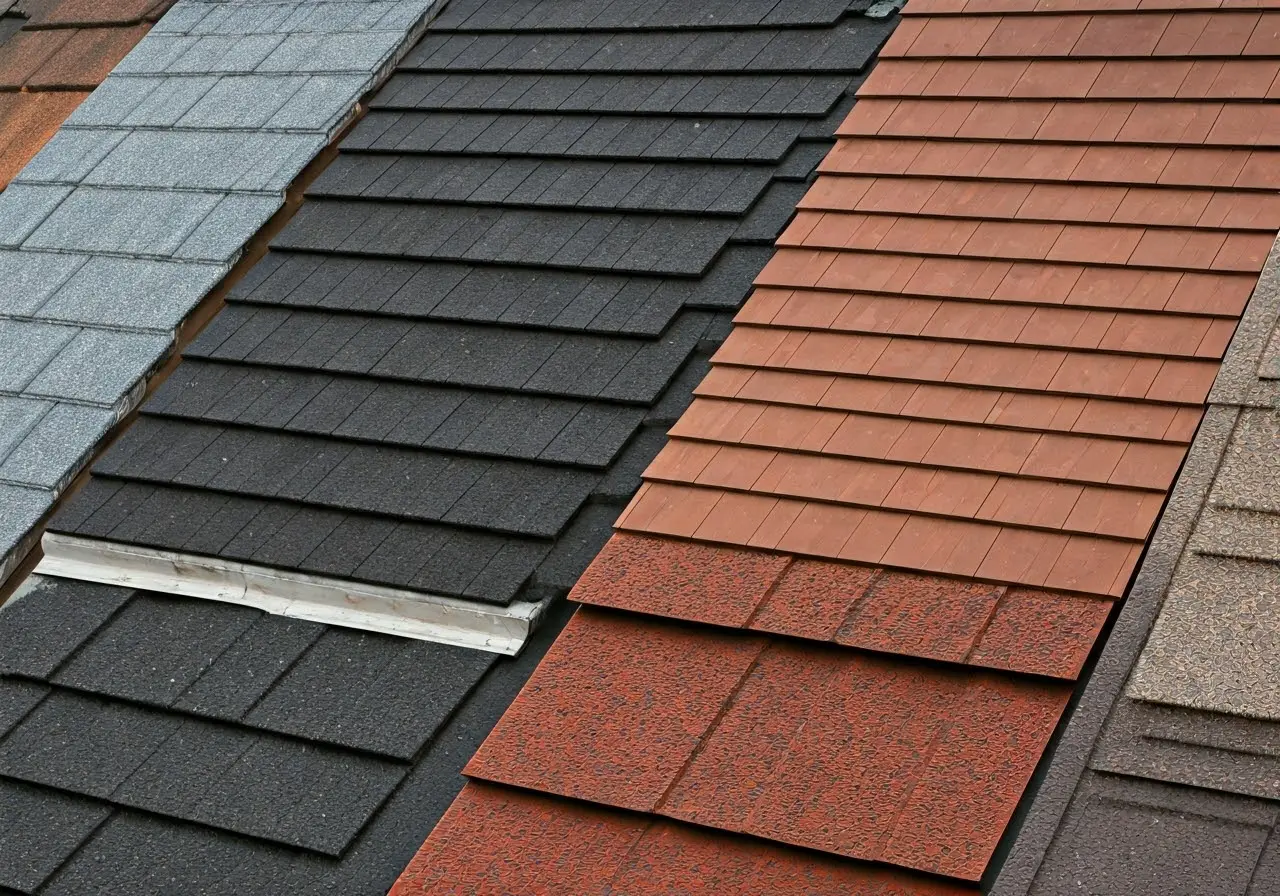
- Check for granule loss on asphalt shingles. If you notice excessive granules in the gutters, this could indicate that the shingles are wearing out.
5. Inspect the Roof’s Edge:
- Look at the roof edges for any signs of damage or rot. Ensure that the drip edges are intact and properly installed.
Taking these steps will help you spot potential issues early. Regular exterior inspections can prevent minor problems from turning into major repairs, saving you time and money in the long run.
Checking Your Roof From the Inside
Inspecting the inside of your home can reveal issues with your roof that aren’t visible from the outside. Start by heading up to your attic or top floor. Here’s how to conduct an interior roof inspection:
1. Look for Water Stains and Leaks:
- Check the ceiling and walls for any water stains or discoloration. These could indicate a leak in the roof.
- Inspect areas around chimneys, vents, and skylights for signs of water intrusion. Water can seep in through gaps or damaged flashing in these spots.
2. Examine the Attic:
- Use a flashlight to look for any signs of water damage in the attic. Damp or moldy insulation is a red flag.
- Check for daylight shining through the roof boards. If you see light, it means there are gaps or holes in your roof.
3. Look for Sagging:
- Examine the attic for sagging areas, which can indicate structural damage. If parts of the roof deck are sagging, this could mean considerable damage and need immediate attention.
- Look for cracks or other damage to the roof structure.
4. Inspect Ventilation:
- Ensure your attic is well-ventilated. Poor ventilation can lead to moisture buildup, which damages your roofing materials over time.
- Check for signs of mildew or mold, as these can indicate ventilation problems.
These interior checks are crucial for catching problems early. Regular interior inspections help you maintain the integrity of your roof and prevent minor issues from escalating into major repairs.
Signs You Need Professional Help
Sometimes a DIY inspection can reveal problems that are beyond your expertise. Here are some signs that you should call in a professional roofer:
1. Extensive Damage:
- If you notice large areas of missing shingles, substantial roof deck sagging, or significant water damage inside your home, these are signs of extensive damage that need a professional’s evaluation.
- Any signs of structural damage should prompt you to contact a professional immediately.
2. Persistent Leaks:
- If you find leaks that you can’t trace or keep reoccurring despite your efforts to repair them, it’s time for professional help. Roofers have the tools and expertise to find and fix hidden leaks.
- Stubborn leaks can lead to mold growth and structural damage if not addressed promptly.
3. Complex Roof Problems:
- Issues like damaged flashing, complex roof valleys, and roof penetrations often require professional repair. These areas are more susceptible to leaks and damage and need expert handling.
- If your roof has suffered significant wind or hail damage, such as cracked or missing shingles over large areas, professional assessment and repair are essential.
4. Safety Concerns:
- If climbing your roof feels unsafe due to its steepness or your physical condition, don’t risk it. Professionals have the right safety gear and training to handle inspections on challenging roofs.
- Anytime you feel unsure about the condition of your roof or your ability to inspect or repair it, it’s best to call a roofer.
Knowing when to seek professional help ensures that your roof gets the care it needs. It protects your home and gives you peace of mind, knowing that potential issues are addressed correctly.
Maintain Your Roof’s Health
Regular DIY inspections are key to maintaining your roof’s health and longevity. They help you catch problems early before they become costly repairs. Checking both the exterior and interior of your roof provides a complete picture of its condition. However, knowing when to call a professional is equally important. It ensures that your roof remains safe and sound, protecting your home effectively.
For reliable roofing services, trust the experts at RTurley Roofing. Whether you need an inspection, a full replacement, or a roof repair in Tulsa, we have the skills and experience to get the job done right. Contact RTurley Roofing today to ensure your roof is ready to withstand any weather.