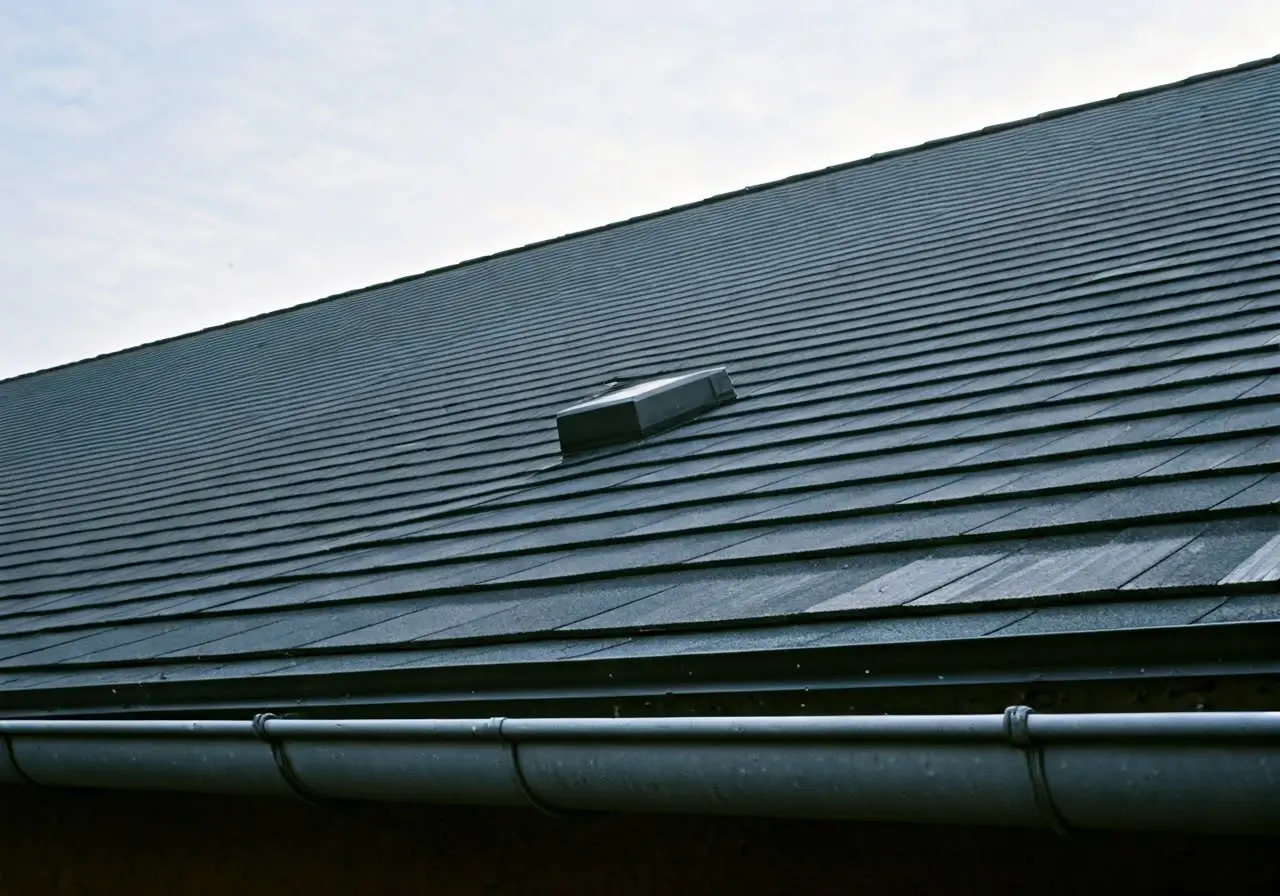
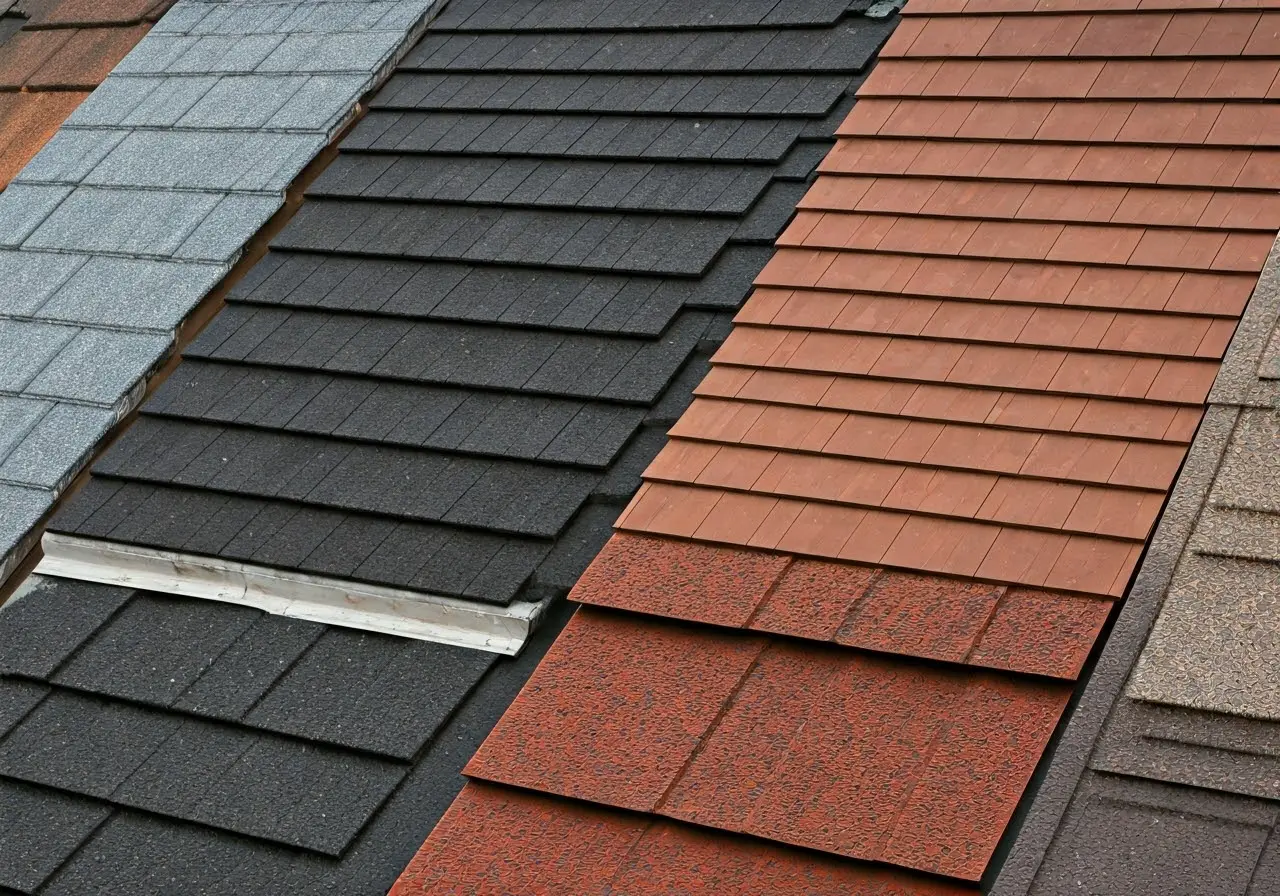
When it comes to unexpected roof issues, having the right knowledge at hand can make all the difference. Whether you’re dealing with a sudden storm or an unnoticed leak, knowing how to address these emergencies swiftly and effectively can save you time, money, and stress. Here’s a simple guide to essential tips that can help you manage immediate roof repairs.

1. Identifying Common Roof Problems Quickly
The first step in any emergency repair is recognizing the problem. Common issues include missing shingles, leaks, and clogged gutters. Learn to spot these signs early to minimize damage. For example, clogged gutters can result in water accumulating on the roof, leading to more severe leaks and structural issues. Regularly inspecting your roof for any visible damage such as cracks, missing shingles, or debris can help catch problems early and prevent further complications.
Also, be mindful of interior signs like water stains on ceilings or walls. These can be indicators of a roof breach. Promptly identifying these signs and knowing their implications can significantly reduce the extent of damage. Regular roof maintenance, including clearing debris and ensuring water is properly channeled away, supports prevention. You might want to create a checklist or schedule bi-annual inspections to stay on top of potential issues.
2. Gathering Your Essential Tools
Having a basic repair kit ready can help you manage minor fixes immediately. A sturdy ladder, hammer, roofing nails, tar, and a few spare shingles are key items to include. Safety goggles and gloves protect against injuries, while a small brush or broom allows for clearing debris. By keeping these tools easily accessible, you can act quickly in urgent situations.
It’s also beneficial to have roofing tape or a sealant on hand. These items are particularly useful for quick fixes, like sealing minor leaks temporarily. Additionally, having a DIY roof maintenance checklist can guide you through minor repair tasks and help you understand your roof’s basic needs, promoting regular maintenance and timely action during emergencies.
3. Assessing the Situation Safely
Safety is paramount in all repair situations. Before climbing your roof, ensure that your ladder is secure and conditions are safe—no strong winds or wet surfaces. Using a second person as a spotter can also enhance safety. While on the roof, avoid stepping on loose shingles or surfaces that appear compromised, as these pose slipping hazards.
Consider using a safety harness if you need to perform extensive work. It provides additional security and stabilizes you against accidental falls, especially when attempting repairs on steep roofs. Never underestimate the importance of basic safety measures, as the potential risks can lead to severe consequences. For more complex or risky tasks, such as addressing sagging rooflines, always consult professional roofers to avoid intensive labor and potential injuries.
4. Temporary Fixes for Leaks
For leaks, a temporary patch can prevent further water damage. Utilize roofing tape or a tarp as a quick solution until better methods are available. Secure tarps firmly with nails or wire to ensure the covers stay in place throughout a storm or heavy rainfall. These temporary fixes can mitigate extensive water damage inside your home until permanent solutions can be applied.
Furthermore, applying waterproof roof tape over small cracks or holes adds an additional barrier against moisture intrusion, providing a reliable stopgap. It’s crucial to observe where leaks are originating from, as this will guide whether these temporary solutions are appropriate. Remember to follow up with a professional inspection for a comprehensive repair assessment and permanent resolution.
5. Handling Missing or Damaged Shingles
Replace missing shingles promptly to avoid internal damage. Learn the basics of shingle replacement to ensure a snug and secure fit. During replacement, observe the neighboring shingles for signs of wear or damage to adjust the foundation of repair. Having spare shingles that match your roof’s existing color and material can streamline emergency fixes.
Shingles protect the underlayer from weather elements, and damage might lead to leaks or larger structural issues. In moments where you’re unable to replace broken shingles immediately, a roofing seal or a protective covering can minimize exposure damage. However, always prioritize a swift shingle replacement to re-establish your roof’s integrity and prevent broader complications.
6. Clearing Debris and Gutters
Blocked gutters can cause water to back up into your roof. Regularly clearing debris not only helps in emergencies but also prevents future issues. Frequent cleaning prevents leaves, dirt, or branches from accumulating and obstructing waterways, ensuring rainwater drains properly from your roof during storms.
Use a hose to flush out hard-to-reach areas or extents of gutters, allowing water to move smoothly. Additionally, consider installing guards or diverters to optimize the functionality and lifespan of your gutter system. Given the significance of effective water management, keeping gutters clear and functional is a crucial preventive measure against possible water-related damages.
7. Securing Loose Roof Items
Strong winds can loosen roof items like vents and satellite dishes. These minor displacements can escalate to severe damage if ignored. Regularly inspect and tighten these items to prevent them from becoming projectiles during storms and damaging the roof.
Check that all hardware and brackets are secure and in good condition. This routine check will prevent these objects from detaching and creating entry points for water or pests. Using durable fasteners and strategically aligning items according to wind patterns can minimize future vulnerabilities and enhance the stability of roof fittings.
8. Inspecting and Reinforcing Flashing
Flashing seals roof edges, chimneys, and skylights. Ensuring these areas are intact and reinforced can prevent leaks during heavy rains. Over time, flashing can corrode or become loose, especially under severe weather conditions. Therefore, consistent monitoring and maintenance are needed to avoid water intrusion or damage.
Use roofing sealants to fill minor gaps or imperfections in the flashing. For extensive wear or damage, consider replacing sections altogether. Reinforced flashing withstands heavier pressures and water flow, reducing the likelihood of undermining the roof’s defenses. This preventative step can significantly extend the lifespan of both flashing and the roof’s overall efficacy.
9. Knowing When to Contact a Professional
For severe damage or persistent issues, professional help is necessary. Attempting to address extensive damage yourself can lead to complications if not done correctly. A qualified roofer can provide long-term solutions that DIY methods can’t, offering assurance in their work backed by experience and expertise.
Recognize the signs that demand professional involvement, such as structural sagging or widespread damage. Keeping a list of recommended and trusted local roofing experts can expedite the process of seeking professional help in emergencies. Remember, engaging with a skilled roofer may mitigate future risks and offer comprehensive protection for your property.
10. Maintaining Your Roof’s Health
Regular maintenance is your best defense against emergency repairs. Scheduling seasonal inspections can identify issues in their infancy before they escalate to emergencies. Consider implementing preventative measures, such as sealing or treating problematic areas identified during routine checks.
Simple actions like removing overhanging tree limbs or checking and maintaining the state of your roof’s materials can effectively prolong the lifespan of your roof. Employing these strategies will provide your roof with the resilience needed to withstand harsh weather conditions and ensure you are not caught off guard when the next storm hits.