Maintaining your roof is essential for protecting your home from the elements and ensuring its longevity. For homeowners in Tulsa, where the weather can be unpredictable, regular roof maintenance checks can prevent minor issues from becoming major problems. By following a straightforward checklist, you can keep your roof in good shape without always needing to call in a professional.
Many homeowners might feel overwhelmed at the thought of roof maintenance, but breaking it down into manageable tasks makes it much easier. Regular inspections, proper cleaning, and timely fixes can all help extend your roof’s life. In addition, being aware of the signs of damage can save you money by catching problems early.
This article will walk you through a comprehensive DIY roof maintenance checklist. Each section will focus on a different aspect of roof care, offering practical tips and advice. By following this guide, you can confidently tackle roof maintenance and ensure your home stays safe and sound.
Seasonal Roof Inspection: What to Look For
Conducting a seasonal roof inspection helps catch potential problems before they escalate. Start by inspecting your roof in the spring and fall, as these times offer mild weather, making it safer and easier to work.
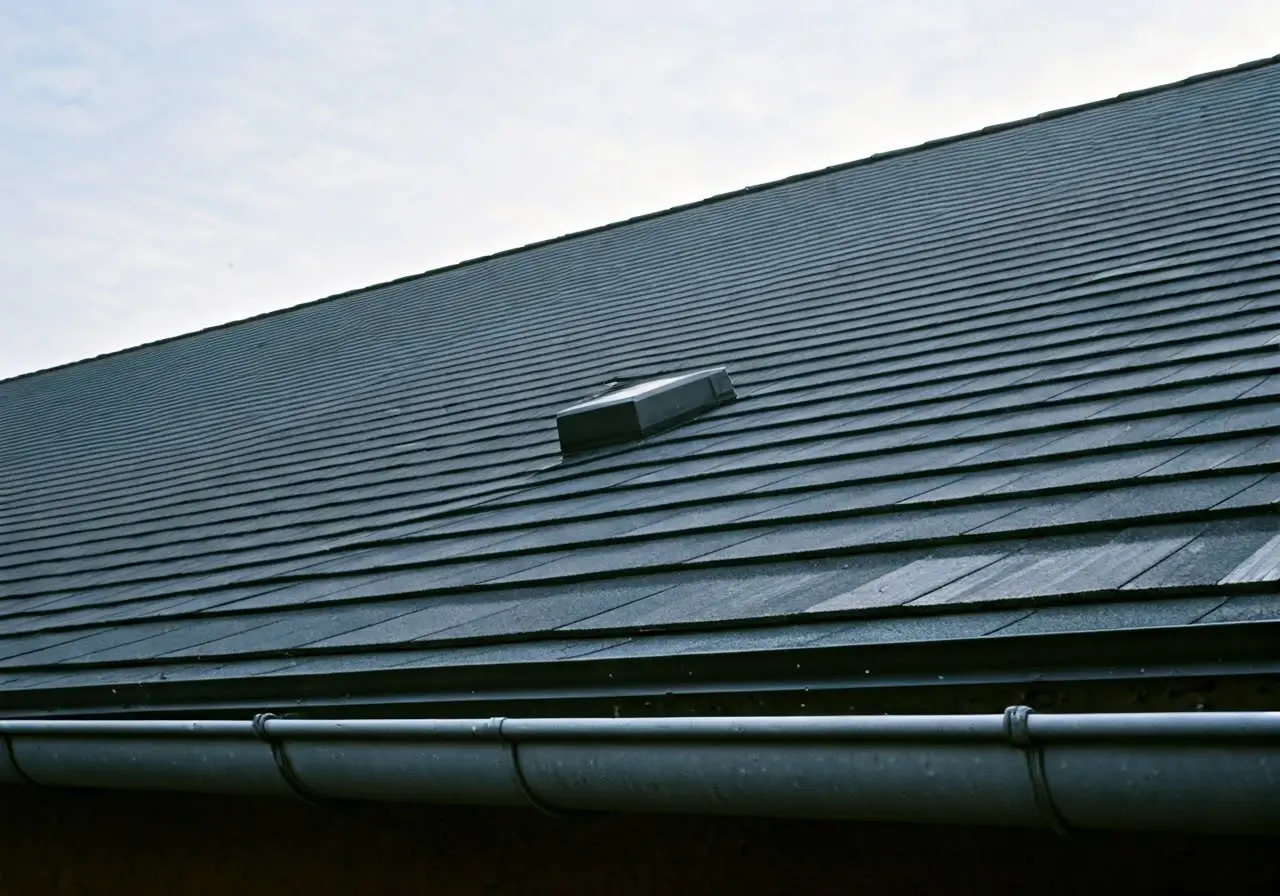
During your inspection, look for missing or damaged shingles. High winds, hail, or heavy rain can easily displace or crack shingles, leaving vulnerable spots. If you notice any missing or broken pieces, it’s essential to replace them promptly to avoid water damage.
Next, check for any signs of water damage or leaks. Look for dark spots or water stains on your ceiling and walls inside your home, as these could indicate a leak. Outside, inspect the areas around chimneys, vents, and skylights, where leaks are more likely to occur. Identifying and repairing leaks early can prevent significant structural damage.
Also, examine your gutters and downspouts. Clean them thoroughly and ensure they are securely attached and draining water away from your home. If you notice granules from your shingles accumulating in the gutters, it could be a sign that your roof’s surface is deteriorating, warranting a closer inspection.
Cleaning Your Roof: Dos and Don’ts
Keeping your roof clean enhances its lifespan and appearance. However, be mindful of how you clean it to avoid causing damage. Here are some important dos and don’ts for cleaning your roof safely and effectively:
- Do remove debris regularly. Leaves, twigs, and other debris can trap moisture against your roof, leading to mold and rot. Use a broom or leaf blower to clear away debris when you see it accumulating.
- Do use a gentle cleaning solution. If your roof has algae, moss, or mildew, mix a mild cleaning solution using water and a small amount of dish soap. Apply it with a sprayer and let it sit for about 20 minutes before gently scrubbing with a soft brush. Rinse thoroughly with a garden hose.
- Don’t use a pressure washer. High-pressure water can strip away the protective surface of shingles, causing more harm than good. Stick to low-pressure methods to ensure you don’t damage your roof.
- Don’t use harsh chemicals. Some cleaners contain chemicals that can damage shingles and harm the surrounding vegetation. Opt for eco-friendly cleaning products to protect your roof and the environment.
- Do inspect for damage post-cleaning. After cleaning, take a few moments to inspect the roof’s condition. Look for any signs of wear or damage that might need attention.
By following these tips, you can keep your roof clean without causing damage, ensuring it remains in good condition for years to come.
Identifying and Fixing Common Roof Issues
Even with regular maintenance, your roof can develop issues that need attention. Knowing how to identify and fix these common problems can save you time and money. Here are a few of the most typical roof issues and how to address them.
Leaks are perhaps the most obvious problem. They often start small but can cause significant damage if left unchecked. Look for signs of leaks both inside and outside your home. On the interior, dark spots on the ceiling or walls are a giveaway. Outside, check around roof penetrations like chimneys and vents. If you find a leak, patch it up using roofing cement or a specialized sealant.
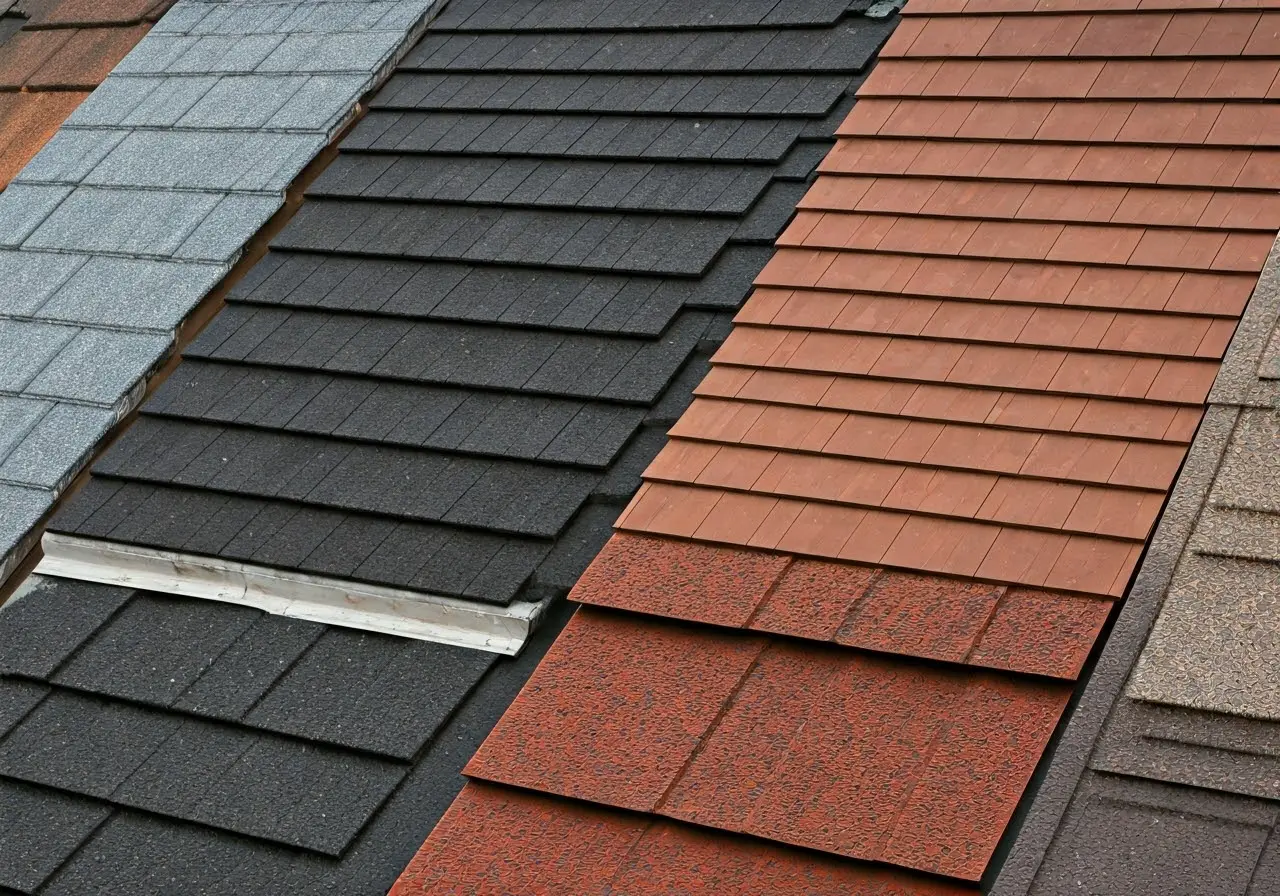
Another common issue is shingle damage. Shingles protect your roof from weather, but they can crack, curl, or go missing. Damaged shingles need to be replaced as soon as possible to prevent further deterioration. You can replace individual shingles yourself with a bit of basic know-how and a few simple tools.
Moss and algae growth can also pose a problem, especially in humid conditions. While they might seem harmless, they can trap moisture and lead to rot. Removing moss and algae involves cleaning your roof with a gentle solution, as discussed earlier. Consider installing zinc or copper strips near the roof’s peak to prevent future growth; rain washes small amounts of metal down the roof, which helps inhibit algae and moss.
By staying on top of these common issues, you can keep your roof in good shape and avoid expensive repairs down the line.
Safety Tips for DIY Roof Maintenance
Safety should be your top priority when performing any DIY roof maintenance. Climbing onto your roof and working at heights can be risky, so taking the necessary precautions can prevent accidents. Here are some essential safety tips to follow:
- Use Proper Gear: Always wear sturdy, slip-resistant shoes to maintain good traction. A safety harness can provide extra security, especially if your roof is steep. Gloves and safety goggles can protect your hands and eyes from debris and chemicals.
- Choose the Right Weather: Avoid working on your roof in extreme weather conditions. Wet or icy roofs are slippery and dangerous. Perform maintenance on a clear, dry day with minimal wind to ensure the safest conditions.
- Secure Your Ladder: Make sure your ladder is stable and on a level surface before climbing. The base should be firmly planted, and the top should extend three feet above the roof edge for easy access. Consider using ladder stabilizers for extra safety.
- Work with a Partner: Having someone with you can be invaluable. They can hold the ladder, watch for potential hazards, and call for help if an accident occurs. Having an extra set of hands and eyes on the job is always safer.
- Stay Hydrated and Take Breaks: Working on a roof can be physically demanding. Stay hydrated and take regular breaks to avoid fatigue, which can lead to accidents. Heat exhaustion can be a real danger, so listen to your body and rest as needed.
By following these safety tips, you can make sure your DIY roof maintenance tasks are completed without incident, keeping yourself and your home safe.
Professional Roofing Maintenance for Your Home
Maintaining your roof can seem daunting, but a thorough checklist makes it manageable. Regular inspections, proper cleaning, and timely fixes keep your roof in top condition, preventing costly repairs over time. Understanding and addressing common issues, combined with essential safety practices, ensures your DIY efforts are both effective and safe.
If you’re ready to give your roof the care it needs but feel uncertain at any step, we’re here to help. Contact RTurley Roofing for professional advice and roof maintenance services tailored to your needs. You can count on us to keep your roof in excellent shape. Call today!