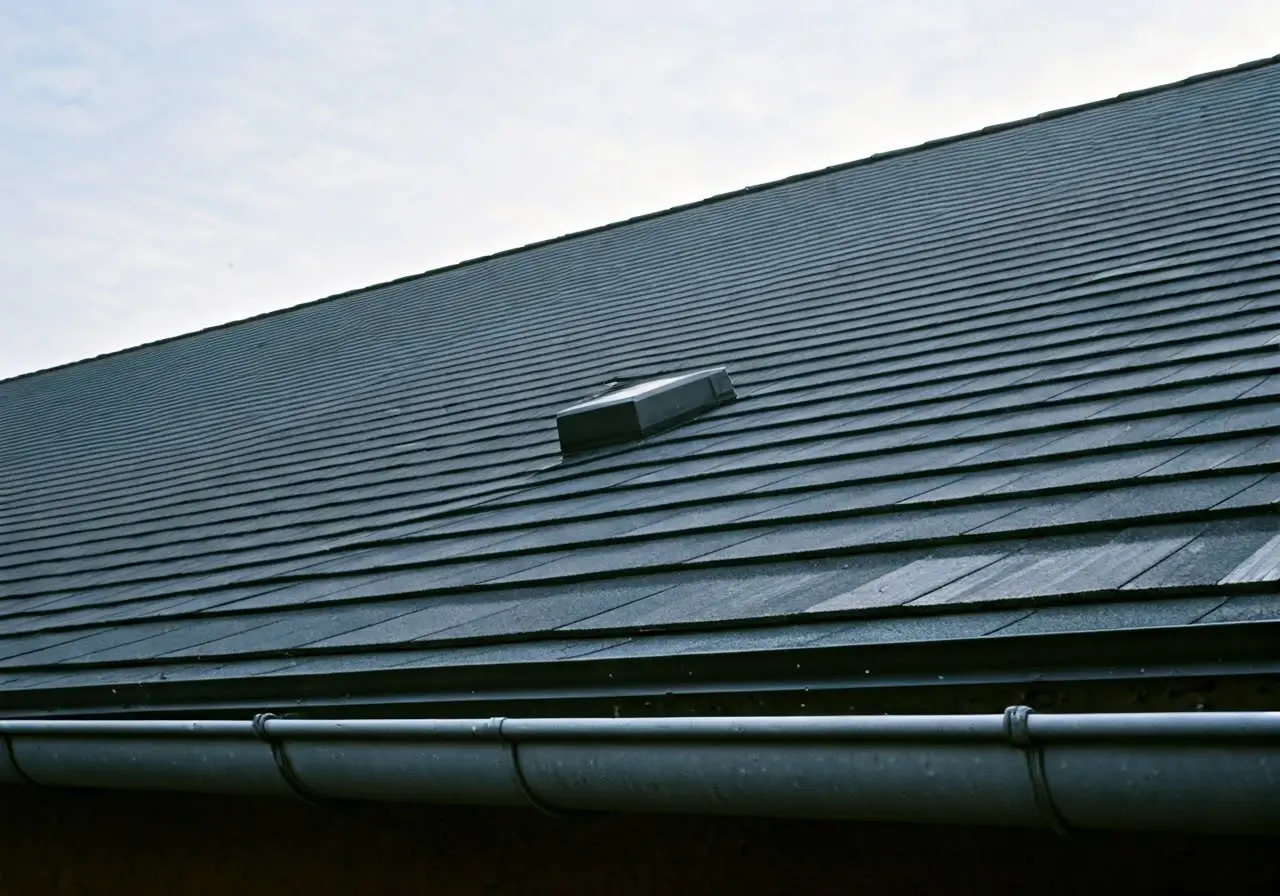
Gutters play a crucial role in protecting your home from water damage. They guide rainwater away from your roof and foundation, preventing issues like leaks and erosion. However, when gutters fail, they can cause significant problems that affect your home’s structure and safety.
Identifying and fixing gutter issues early on can save you a lot of trouble and expense. It’s important to know what to look for and how to address these problems. From clogs and leaks to sagging gutters and improper drainage, understanding the signs of gutter issues will keep your home in good shape.
This guide will help you recognize common gutter problems and provide solutions for minor fixes. We’ll also cover when it’s best to call in a professional. By staying proactive, you can maintain your gutters and ensure they continue to protect your home effectively.
Common Gutter Problems Homeowners Face
Gutters are subject to various problems that can compromise their effectiveness. Here are some common gutter issues homeowners often encounter:
- Clogged Gutters: Leaves, twigs, and other debris can accumulate in your gutters, blocking the flow of water. This can cause water to overflow, leading to damage to your roof, siding, and foundation.
- Leaky Gutters: Over time, gutters can develop leaks due to joints that have pulled apart or small holes that form. Leaks can result in water seeping into your home’s structure, causing rot and mold.
- Sagging Gutters: Gutters can sag if they are filled with too much weight from debris or water, or if the hangers that support them are spaced too far apart. Sagging gutters don’t drain properly, leading to overflows and potential damage.
- Improperly Pitched Gutters: For gutters to work correctly, they need to be pitched toward the downspouts, allowing water to flow through. Improper pitches can cause standing water, leading to mildew and deterioration.
- Downspout Problems: Downspouts can get clogged or disconnected from the gutter system, preventing water from being directed away from the house. This can cause pooling around the foundation and lead to structural issues.
By being aware of these common problems, homeowners can take preventive measures to maintain their gutters in good condition.
How to Identify Gutter Issues
Identifying gutter issues early can save you a lot of trouble. Here are steps to help you spot potential problems:
- Visual Inspection: Regularly check your gutters from the ground. Look for visible signs of sagging, loose brackets, or sections that appear warped. Spot any cracks, holes, or split seams that might indicate leaks.
- Check for Water Marks and Paint Damage: Water stains or peeling paint on your home’s exterior can signal that your gutters are overflowing or leaking. Pay attention to any discoloration or rot around the eaves and fascia boards.
- Assess Downspouts: Ensure downspouts are angled correctly and draining water away from your home. Look for pooling water near the foundation, which can indicate a problem with water flow.
- Watch for Standing Water: After a rain, check your gutters for standing water. This can point to clogs or improper pitch. Use a ladder to safely inspect and remove any debris causing blockages.
- Inspect During Rainfall: Observing your gutters during a rainstorm can reveal functional issues. Ensure water is flowing smoothly through the gutters and downspouts without leaks or overflows.
- Listen for Drips and Splashes: Pay attention to unusual sounds coming from your gutters. Dripping or splashing noises can indicate leaks or overflow points that need attention.
Regular inspections and being observant can help you catch gutter issues early, allowing you to address them before they turn into major problems.
DIY Fixes for Minor Gutter Problems
Fixing minor gutter issues yourself can save both time and money. Here are some common problems and how you can tackle them:
- Clogged Gutters: Use a gutter scoop or a small trowel to remove leaves, twigs, and other debris. After clearing out the bulk of the blockage, flush the gutters with a garden hose to ensure water flows freely. Installing gutter guards can help prevent future clogs.
- Leaks and Holes: Small leaks can be sealed with gutter sealant available at hardware stores. Clean the area around the leak first, then apply the sealant inside and outside the affected area. For larger holes, use a metal patch. Cut the patch to fit, apply roofing cement, and press the patch onto the hole.
- Sagging Gutters: Tighten any loose screws or brackets securing the gutters to your house. If the existing brackets are damaged, replace them with new ones. Ensure that the gutters slope slightly toward the downspouts to facilitate proper drainage.
- Downspout Issues: Remove any blockages in the downspouts by running water through them or using a plumber’s snake. Ensure the bottom of the downspout extends away from the home’s foundation, using extensions if necessary.
- Improper Pitch: Check the level of the gutters using a spirit level. If the pitch is incorrect, you can adjust the gutter hangers. The gutters should slope about 1/4 inch for every 10 feet toward the downspouts.
By handling these minor repairs, you can maintain your gutters effectively and prevent more significant issues from developing.
When to Call a Professional for Gutter Repairs
While DIY fixes can handle minor problems, some gutter issues require professional expertise. Here are situations where it’s best to call in a professional:
- Extensive Damage: If a large portion of the gutter system is damaged or missing, it’s beyond what a simple repair can fix. Professionals can assess the extent of the damage and recommend whether to repair or replace your gutters.
- Persistent Leaks: If you’ve tried sealing leaks multiple times without success, there could be a bigger problem at play. Professionals have the tools and knowledge to locate the source of persistent leaks and fix them effectively.
- Foundation Issues: If water isn’t being properly diverted away from your home, it can lead to serious foundation problems. A professional can redesign your gutter system to ensure proper water flow and protect your home’s foundation.
- Complex Rooflines: Homes with complicated roof designs can have tricky gutter problems that aren’t easy to fix. Professionals have the experience to handle these complexities and ensure your gutters work correctly.
- Safety Concerns: Working on gutters often involves climbing ladders and reaching high places. If you’re uncomfortable or unsure about doing the work yourself, it’s safer to hire a professional.
- Upgrading the System: If you’re looking to upgrade your gutter system with better materials or new technology like seamless gutters, hiring a professional ensures the job is done correctly and efficiently.
Calling a professional for these types of repairs ensures that your gutters are fixed correctly and that your home remains protected.
Keeping Your Gutters in Top Shape
Maintaining your gutters is crucial for protecting your home from water damage. Whether you handle minor repairs yourself or call in a professional, addressing gutter issues promptly can save you a lot of trouble in the long run. Regular inspections and timely fixes ensure that your gutters continue doing their job effectively, safeguarding your home’s structural integrity.
For homeowners facing gutter issues, RTurley Roofing offers expert advice and professional services. If you need help with your gutters, reach out to us for a thorough inspection and reliable solutions. Don’t wait until minor issues become major problems; contact our roofers in Tulsa today to ensure your home stays safe and dry!