Installing a new roof is a significant project for any homeowner. It involves multiple steps and decisions to ensure that your home gets the protection it needs. Knowing what to expect can help you feel more prepared and confident throughout the process. Whether it’s due to aging, wind, or hail damage, getting a new roof can seem overwhelming, but breaking it down into manageable stages makes it easier to understand. Each step is vital, and knowing what to expect can smooth the process and lead to a successful roofing project.
Assessing Your Roof’s Condition and Budgeting
Before installing a new roof, start by assessing your roof’s current condition. Look for signs of damage like missing shingles, cracks, or leaks. Age is also a key factor—roofs older than 20 years often need replacing. If you’re unsure, hiring a professional for a thorough inspection is a smart move. They can identify hidden issues that might not be obvious.
Once you know the condition, set a budget for your roofing project. Costs can vary widely based on the materials you choose and the size of your roof. Factor in additional expenses, such as labor and any unforeseen repairs. It’s wise to get quotes from several roofing contractors to compare prices. This ensures you get the best value for your investment.
Budgeting also involves considering financing options if needed. Some roofing companies offer payment plans or financing to help manage costs. Check with your insurance company too—if your roof damage is due to a covered event like wind or hail, your policy might cover part of the cost. Planning your budget carefully helps prevent financial surprises and keeps the project on track.
Choosing the Right Materials and Style
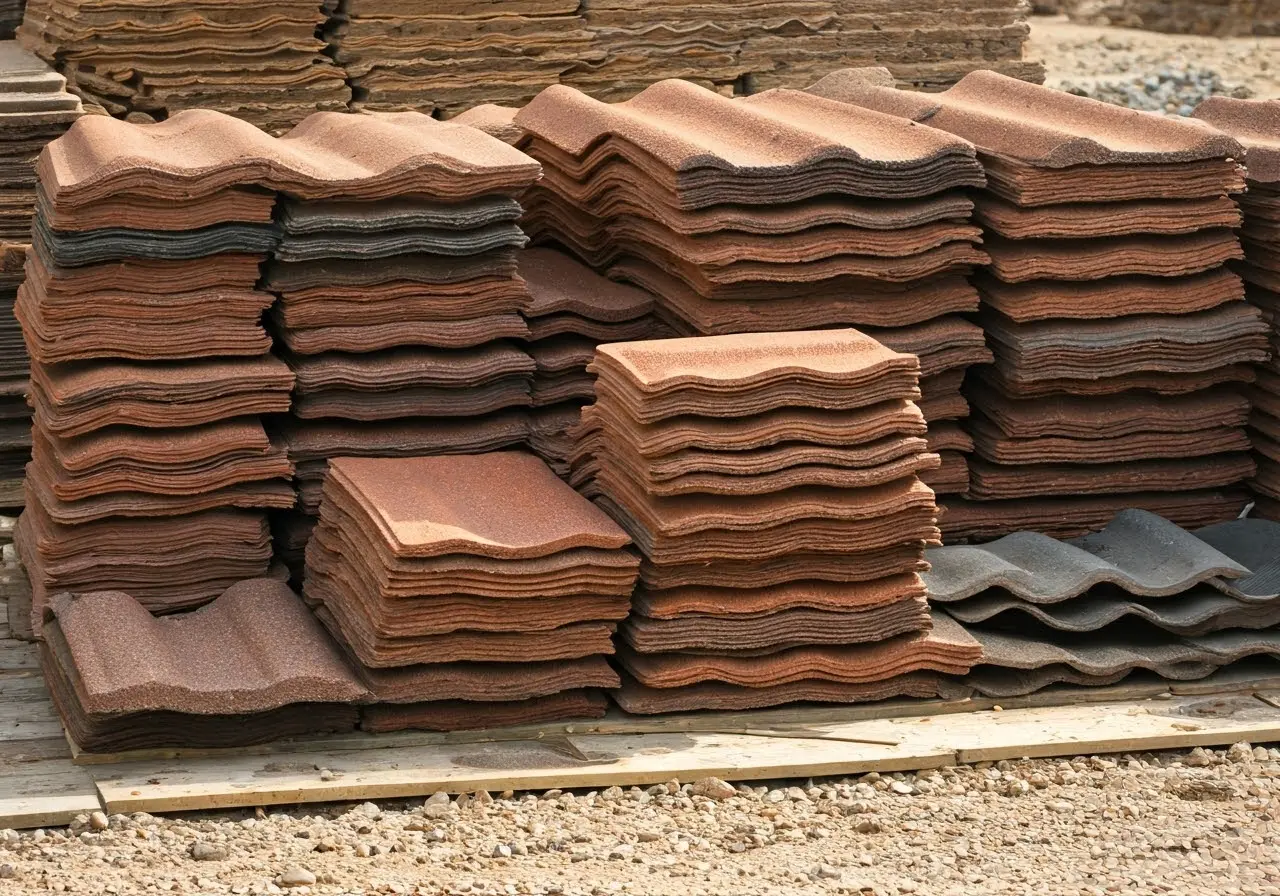
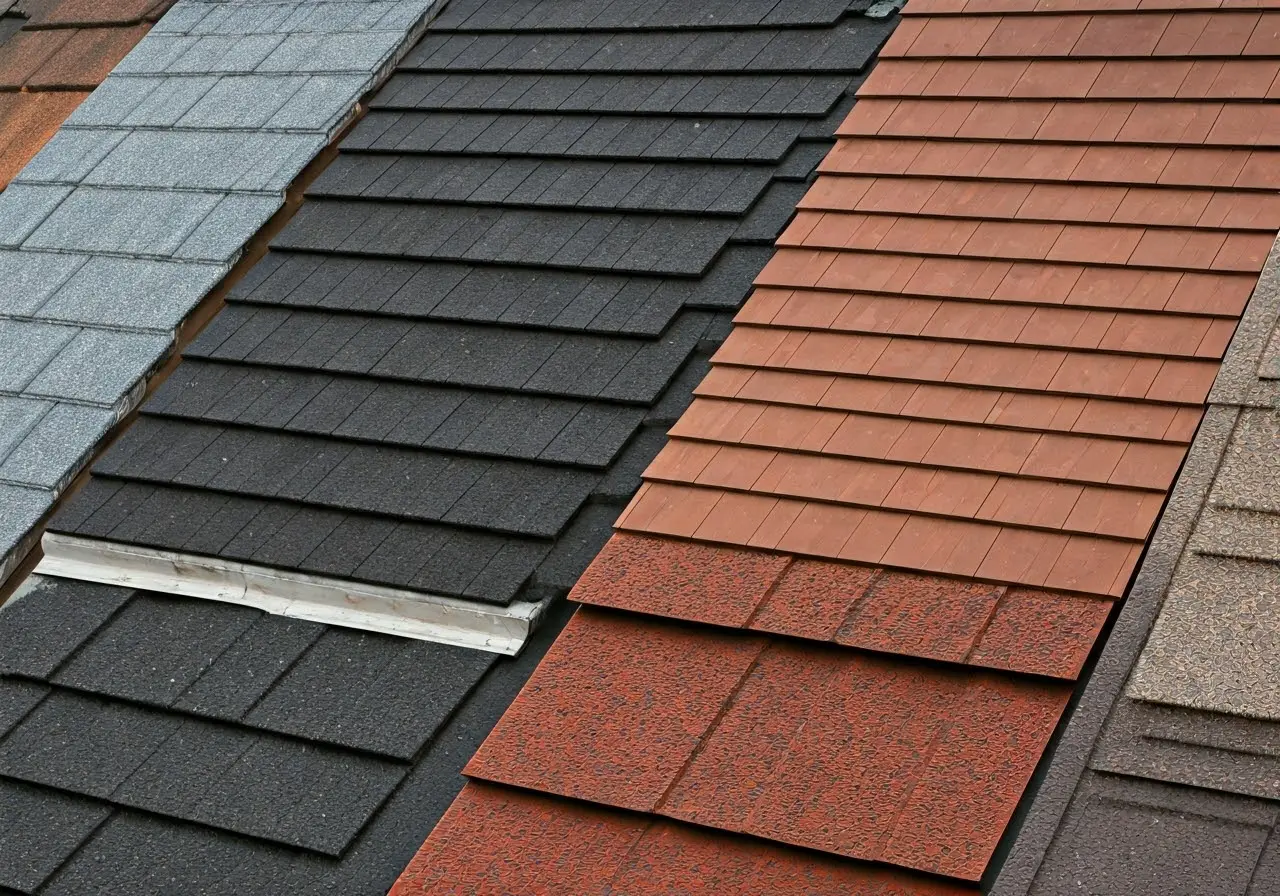
After assessing your roof and setting a budget, it’s time to choose the materials and style for your new roof. Your choice will impact the roof’s durability, appearance, and overall cost. Common roofing materials include asphalt shingles, metal, slate, and tile. Each material has its pros and cons. For most homeowners, asphalt shingles offer a balance of affordability, durability, and style.
Consider the architectural style of your home when selecting materials. The roof should complement your house’s design. For example, metal roofs are popular for modern homes, while slate or tile may suit older, classic styles. Color is another important aspect. Lighter colors reflect sunlight and keep your home cooler, which can be beneficial in sunny climates.
Beyond aesthetics, think about the material’s longevity and maintenance needs. Some materials, like metal and slate, last longer but can be more expensive upfront. On the other hand, asphalt shingles are less costly but might need replacing sooner. Make sure to weigh these factors to choose the best fit for your needs.
Finally, check for any local building codes or HOA requirements that might affect your material choice. Some areas have restrictions on certain roofing types. Getting these details clear early on ensures a smoother installation process. By carefully selecting the right materials and style, you’ll ensure your new roof not only looks good but also stands the test of time.
The Roof Installation Day: What to Expect
The roof installation day is a significant step in getting your new roof. Knowing what to expect can help you feel more comfortable and prepared. The day usually starts early, with a team of roofers arriving and setting up their equipment. They will focus on safety first, placing ladders securely and wearing the necessary protective gear.
The first task is removing the old roof. This involves tearing off old shingles, underlayment, and any other materials down to the roof deck. It can be noisy and messy, but it’s a crucial step to ensure a solid foundation for the new roof. The team will then inspect the roof deck for any damage or rot. If any issues are found, they will make repairs before moving forward.
Next, the crew will install the new roofing material. This begins with laying down an underlayment to provide an additional moisture barrier. Following this, the new shingles, metal panels, or other chosen materials will be carefully installed. The roofers will work methodically, ensuring each piece is securely fastened and aligned correctly. This part of the process can take a full day or longer, depending on the roof’s size and complexity.
By the end of the installation day, the team will clean up the work area, removing debris and leftover materials. They will also perform a final inspection to ensure everything is installed correctly and meets quality standards. This thorough process ensures your new roof is ready to protect your home for many years.
Post-Installation Inspection and Maintenance Tips
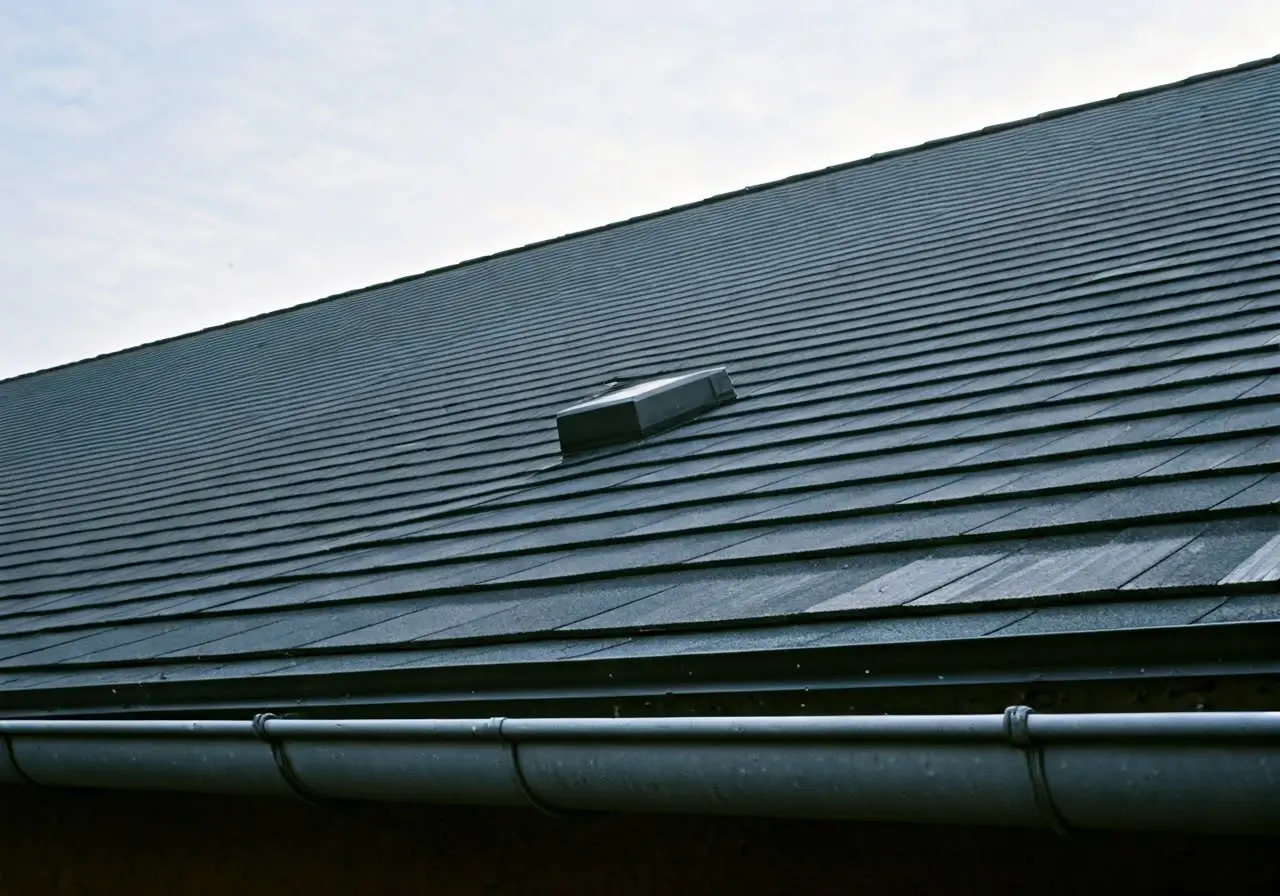
After the new roof is installed, there are important steps to ensure it stays in top condition. A post-installation inspection is crucial. This involves checking the entire roof for any missed spots or areas needing additional attention. The roofing contractor will examine the flashings, gutters, and overall installation to make sure everything is perfect.
Regular maintenance can prolong the life of your new roof. Keep your gutters clean and free of debris. Blocked gutters can cause water to back up and damage your roof. Trim overhanging branches to prevent them from scraping the roof or dropping leaves that can clog gutters. Additionally, inspect your roof regularly, especially after heavy storms. Look for loose or missing shingles, and address any damage immediately to prevent leaks.
Schedule professional inspections at least once a year. A roofing expert can spot potential issues that may not be visible to the untrained eye. They can also conduct minor repairs to prevent small problems from escalating. This proactive approach can save you money in the long run and ensure your roof remains in great condition.
These steps will help maintain your roof’s integrity and appearance, giving you peace of mind knowing your home is well-protected.
Conclusion
Understanding the process of installing a new roof helps homeowners prepare for each stage, from assessing the current roof to choosing materials, overseeing installation day, and conducting post-installation inspections. Taking these steps ensures a smooth roofing project and extends the life of your new roof.
If you’re ready to start your roofing project or have questions about your existing roof, contact RTurley Roofing. Our expert team in Tulsa is here to provide reliable, professional roof installation services tailored to your needs. Give us a call today to get started and ensure your home stays protected.