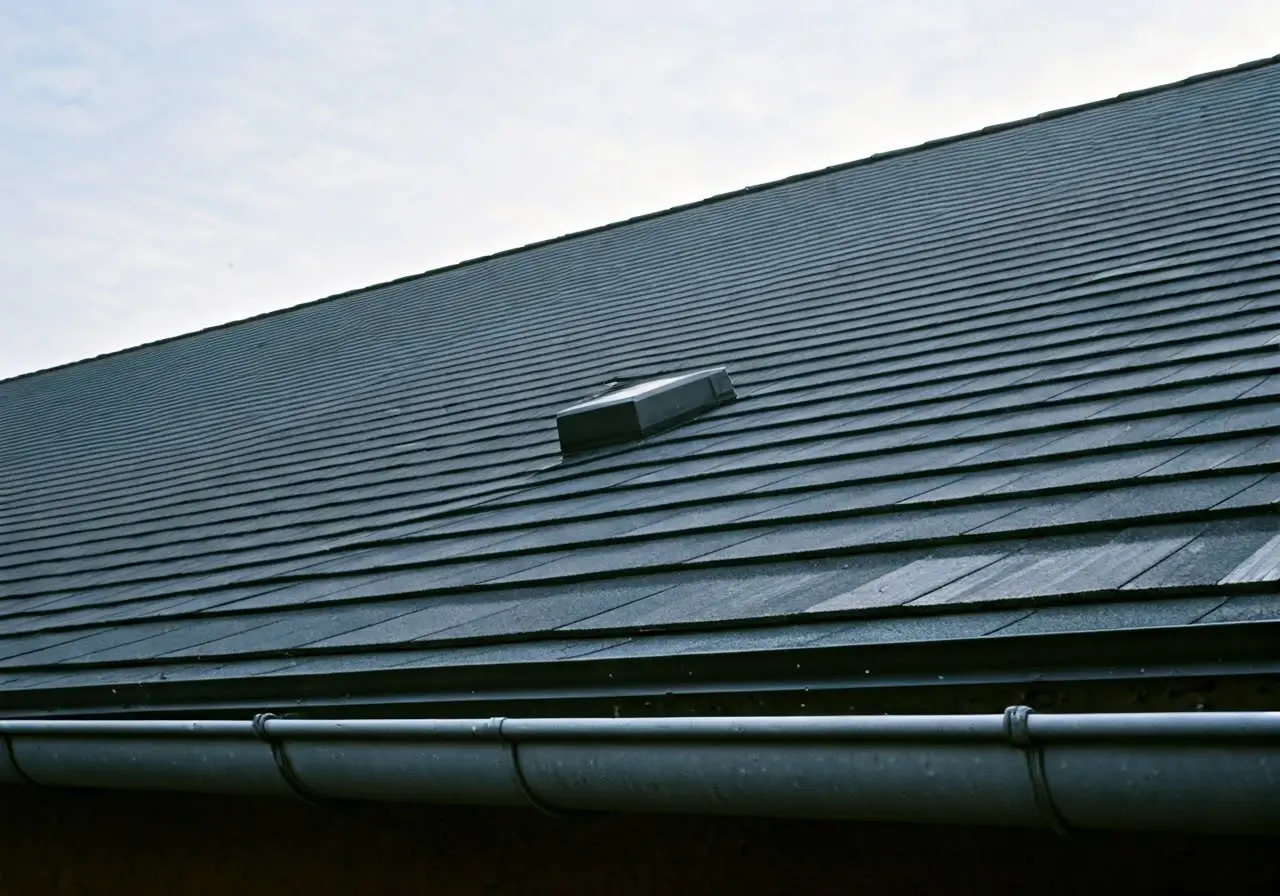
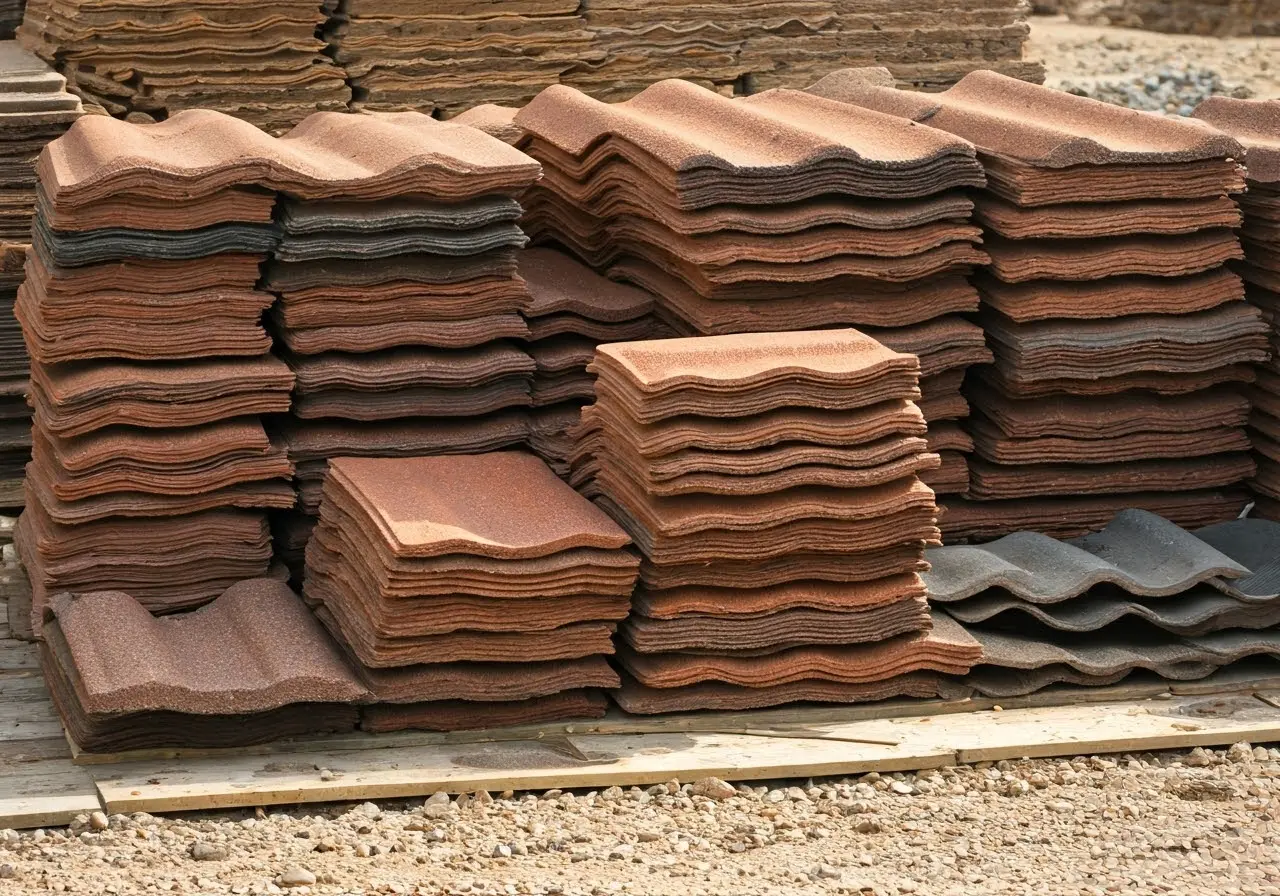
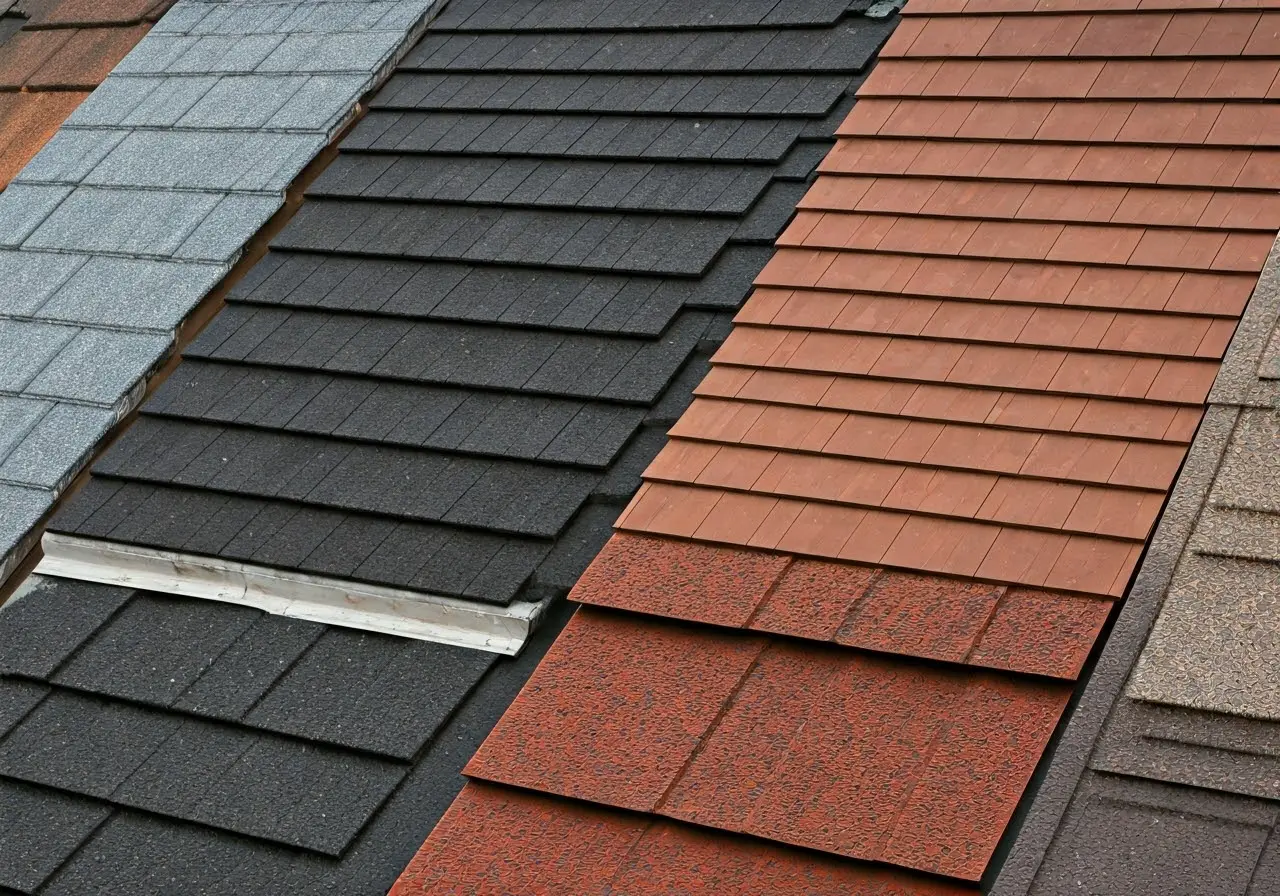
Eco-friendly roofing is gaining traction as more homeowners look for sustainable ways to improve their homes. These roofing options are designed to reduce environmental impact while providing excellent durability and energy efficiency. With a variety of materials and technologies available, eco-friendly roofs are suitable for a wide range of homes, including those in Tulsa facing weather challenges like wind or hail damage.
Sustainable roofing materials are often designed to be long-lasting and require less maintenance. This means fewer repairs and replacements, saving you money in the long run. Additionally, many eco-friendly roofing options are made from recycled materials, contributing to reduced waste and a smaller carbon footprint. Whether you’re a homeowner with an aging roof or someone looking to sell their property, understanding the benefits and considerations of eco-friendly roofing can help you make a more informed decision.
Understanding Eco-Friendly Roofing Options
There are many types of eco-friendly roofing options available today, each offering unique benefits. Choosing the right one for your home depends on your specific needs and environmental goals. Here are some popular eco-friendly roofing materials:
1. Cool Roofs:
– Cool roofs are designed to reflect more sunlight and absorb less heat. This helps reduce cooling costs and minimizes the heat island effect in urban areas.
– These roofs can be made from reflective paints, sheet coverings, or reflective tiles and shingles.
2. Metal Roofs:
– Metal roofs are highly durable and often made from recycled materials. They reflect solar heat, reducing cooling costs and energy consumption.
– Metal roofing materials can be recycled at the end of their life, making them a sustainable option.
3. Solar Roofs:
– Solar roofs integrate solar panels into the roofing material, generating renewable energy for your home.
– This helps reduce dependence on non-renewable energy sources and lowers your electric bills.
4. Green Roofs:
– Green roofs, also known as living roofs, are covered with vegetation. They provide natural insulation and help manage stormwater runoff.
– These roofs improve air quality and offer a beautiful aesthetic, while promoting biodiversity.
Key Benefits of Eco-Friendly Roofing
Adopting an eco-friendly roofing system provides several key benefits that can positively impact your home and the environment. Here are some of the main advantages:
1. Energy Efficiency:
– Eco-friendly roofs are designed to improve energy efficiency by providing better insulation and reducing heat absorption.
– This leads to lower energy consumption, reducing your utility bills and making your home more comfortable year-round.
2. Environmental Impact:
– By using sustainable materials, eco-friendly roofs help reduce the environmental footprint of your home.
– Many eco-friendly roofing options use recycled or renewable materials, decreasing the demand for new raw resources and minimizing waste.
3. Durability and Longevity:
– Eco-friendly roofing materials are often more durable and longer-lasting than traditional roofing options.
– This means fewer repairs and replacements, saving you money over time and reducing waste.
4. Improved Air Quality:
– Green roofs and cool roofs can help improve air quality by reducing pollutants and cooling urban areas.
– This contributes to a healthier living environment, both inside your home and in your community.
Factors to Consider When Choosing Eco-Friendly Roofing Materials
When selecting eco-friendly roofing materials, consider various factors to ensure you make the best choice for your home and environment. Here are some key points to think about:
1. Climate Compatibility:
– Choose materials suited for Tulsa’s climate, especially those resilient to wind and hail. For instance, metal roofs are durable and can withstand harsh weather conditions.
– Consider how different materials perform in extreme temperatures. Cool roofs and reflective materials, for example, help keep your home cool during hot summers.
2. Cost and Budget:
– Eco-friendly roofing options can vary greatly in cost. While some materials, like recycled shingles, may be affordable, others, like solar panels, can be more expensive initially.
– Factor in long-term savings from reduced energy bills and lower maintenance costs when budgeting for your roof.
3. Sustainability:
– Look for materials that are sustainably sourced or made from recycled content. This helps reduce the environmental impact of your roofing project.
– Check for certifications or eco-labels that indicate the sustainability and environmental friendliness of the materials.
4. Installation and Maintenance:
– Some eco-friendly materials may require specialized installation skills. Ensure your roofing contractor has experience with the chosen materials to guarantee a proper installation.
– Consider the maintenance needs of the materials. For instance, green roofs may need more upkeep compared to metal or cool roofs.
5. Aesthetic Appeal:
– Visual appeal is important. Select materials that complement the style and look of your home.
– Eco-friendly options come in various designs and colors, giving you flexibility in achieving the desired curb appeal.
Long-Term Impact of Eco-Friendly Roofing on Home Value
An eco-friendly roof can significantly enhance your home’s value in many ways. These benefits go beyond just energy savings:
1. Increased Market Appeal:
– Homes with eco-friendly features, such as energy-efficient roofs, are more attractive to potential buyers. People are increasingly considering sustainability in their purchasing decisions.
– An eco-friendly roof can set your home apart in the real estate market, making it more appealing to environmentally conscious buyers.
2. Higher Resale Value:
– Investment in eco-friendly roofing can increase your home’s resale value. Buyers may be willing to pay a premium for homes with energy-efficient and sustainable features.
– The promise of lower utility bills and reduced maintenance costs can further entice buyers, contributing to a higher market price.
3. Enhanced Durability and Longevity:
– Eco-friendly materials often outperform traditional roofing in terms of durability and lifespan. A longer-lasting roof reduces future replacement and repair costs, which can be attractive to buyers.
– The assurance of a durable, low-maintenance roof can add to the perceived value of your home.
4. Positive Environmental Impact:
– Reducing your home’s carbon footprint by using sustainable materials can be a significant selling point. Many buyers value environmental responsibility and are willing to invest in homes that reflect these values.
– A greener home contributes to a better community environment, which can be appealing to prospective homeowners.
Conclusion
Choosing an eco-friendly roof is a smart move for any homeowner. It not only helps the environment but also offers long-term financial benefits through energy savings and increased home value. With various options like cool roofs, metal roofs, and green roofs, you can find the right solution that fits your needs and budget. Remember to consider factors like climate compatibility, cost, sustainability, and aesthetics when making your choice.
Take the next step towards making your home more eco-friendly and energy-efficient. Contact RTurley Roofing today to learn more about our eco-friendly residential roofing in Tulsa and how they can benefit your home. Let us help you make a positive impact on both your wallet and the environment.